

When Ruth Abrams passed away in 1986, The New York Times described her as a woman unfairly neglected in an era dominated by men. Despite creating a powerful and captivating body of work and working alongside some of the most renowned artists of the 20th century, including Willem de Kooning and Jackson Pollock, her own artistic legacy remained largely unexplored and nearly forgotten. However, the Yeshiva University Museum recently presented the first solo exhibition of her work in 25 years, following her last major showcase at the Grey Art Gallery in 1986. This exhibition sought to restore Abrams’ rightful place in the history of Abstract Expressionism. Read more about the life and art of this Jewish Brooklyn-born artist at brooklyn1.one.
Recognition After Death
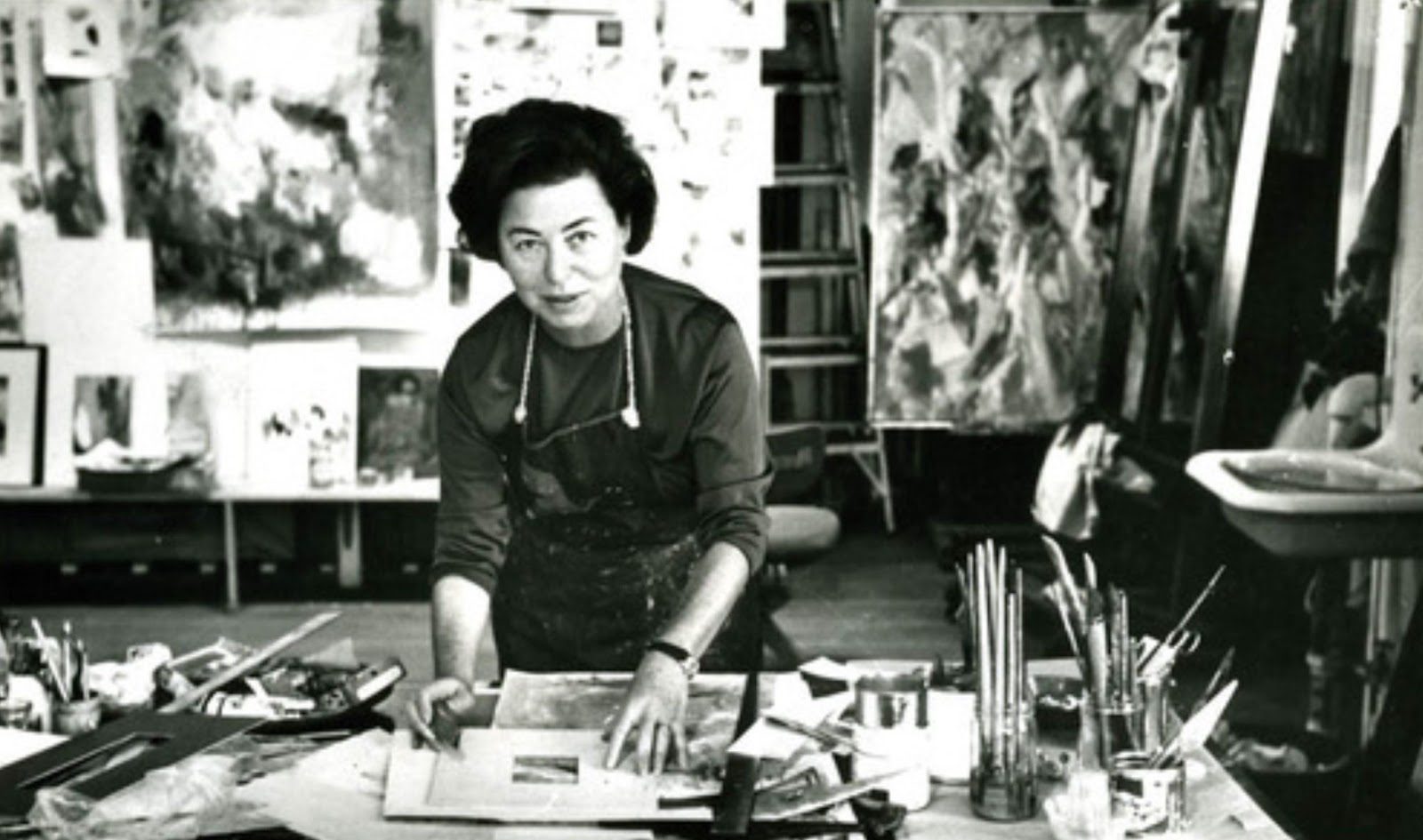
Although Ruth Abrams worked among influential figures like Willem de Kooning and Jackson Pollock, many have likely never heard of her. Largely overlooked during her lifetime and nearly forgotten afterward, Abrams painted beyond the boundaries that were deemed acceptable for women at the time. She exchanged artistic styles with men well known for their misogyny while simultaneously engaging with the bold gestures of Abstract Expressionism.
Despite a brief resurgence of interest in 1986 when The New York Times recognized her contributions, Abrams did not receive another dedicated exhibition for decades. It was only years later that the Yeshiva University Museum finally hosted a retrospective titled Microcosm: Ruth Abrams, Abstract Expressionist.
This exhibition placed Abrams’ work in the intellectual and cultural context of her era, aiming to cement her place alongside her contemporaries in the Abstract Expressionist movement. Art historians have noted that this show continues a broader trend in postwar art history—one that has brought overdue recognition to women artists like Lee Krasner, Grace Hartigan, Elaine de Kooning, Helen Frankenthaler, and Joan Mitchell. With this exhibition, Abrams finally took her rightful place among them.
The retrospective primarily focused on her Microcosm series, a collection of tiny paintings—each measuring just two by three inches—that conveyed the vastness of space and the boundless freedom of the cosmos. As the concept of space travel gained momentum in the 1950s, many Expressionist artists explored its themes in their work. While most used large canvases to capture the grandeur of space, Abrams took the opposite approach, reducing the scale of her paintings to miniature dimensions yet achieving a colossal impact. Many of these works were displayed for the first time at the Yeshiva University Museum.
The Paradox of the Great
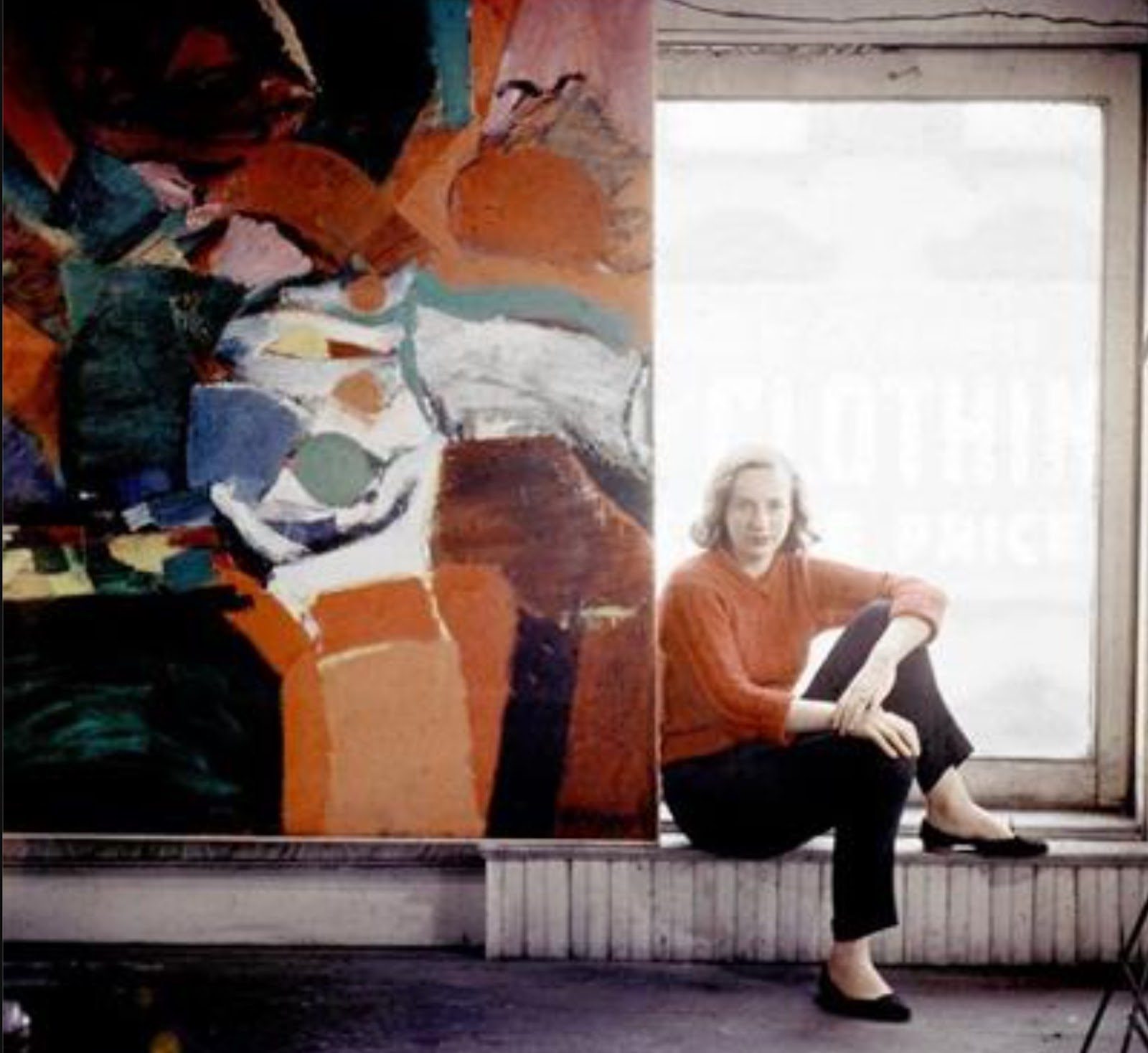
Alongside Microcosm, the retrospective also featured the only film Ruth Abrams ever made—shown for the first time in 40 years. Titled The Paradox of the Great, the film provided rare insight into the artistic vision behind Microcosm, offering an intimate glimpse into the mind of this underappreciated talent.
Abrams created the film in the 1970s as a way to articulate her artistic philosophy. In it, she sought to strip viewers of their sense of scale, urging them to focus instead on the experience of infinite space, the absence of a horizon line, and the sensation of speed and vastness.
The exhibition also included other works from her career, such as still lifes, landscapes, and collages, revealing her diverse influences—from Matisse to Rauschenberg. For example, Journey to Jamaica showcased the vibrant palette and dynamic energy of Willem de Kooning, while Conversation on Corfu reflected a soft, pseudo-pastel surrealism reminiscent of Edouard Vuillard’s dissolving interiors.
Throughout her 40-year career, Ruth Abrams produced an array of striking and unconventional works, many of which remain in the Yeshiva University Museum’s collection. The museum holds the largest institutional archive of her works, along with a significant collection of her letters, press clippings, and personal documents.
Thanks to her deep knowledge of art history and her fearless drive to push her work into the future, Abrams rightfully earned her place among the greats.
The Microcosm: Ruth Abrams, Abstract Expressionist exhibition showcased over 70 of her works, many of which had never been publicly displayed before.
The Artist’s Biography
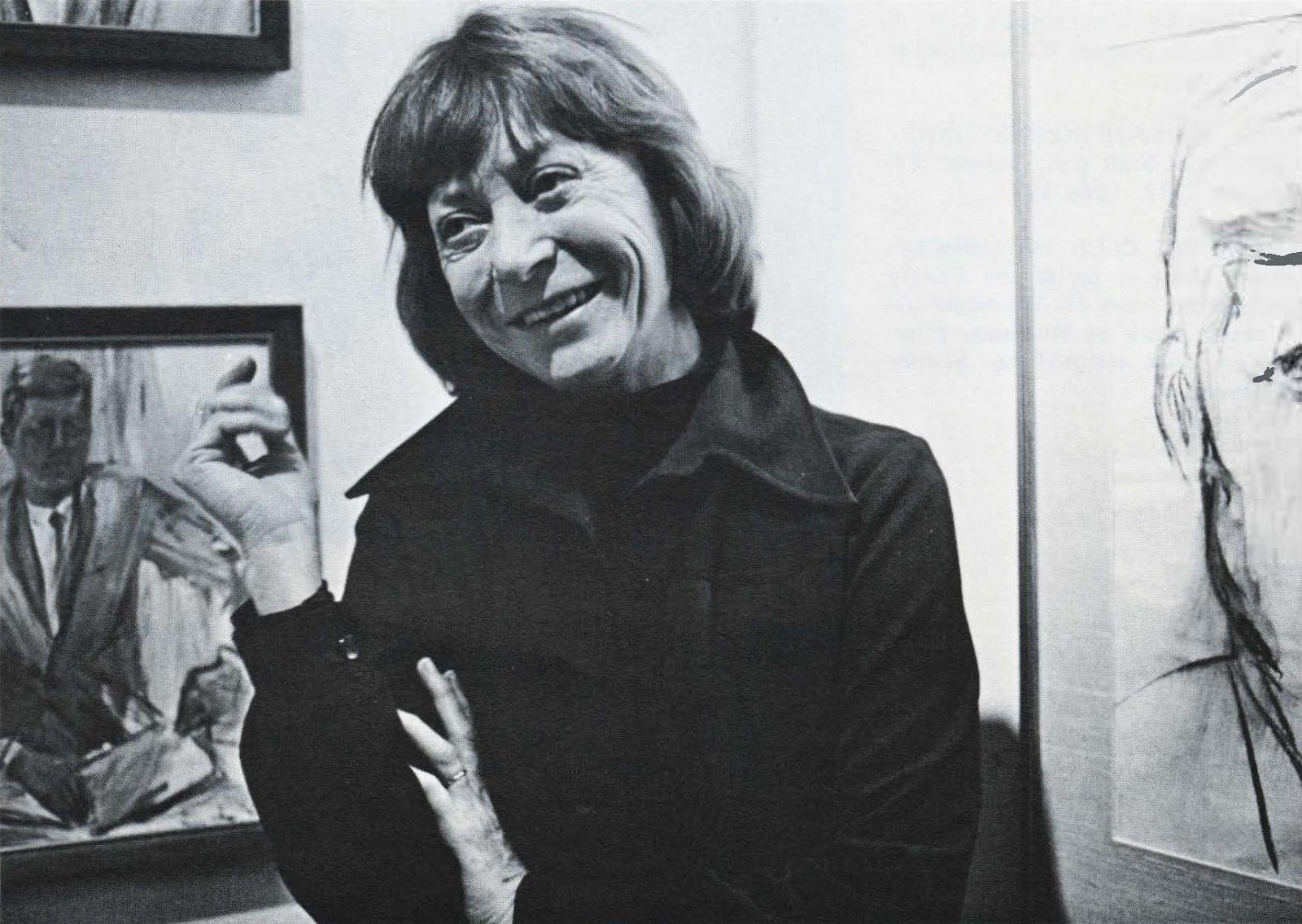
Ruth Abrams was born in Brooklyn in 1912. She studied at the art school of Columbia University, training under sculptors William Zorach and José de Creeft, as well as painters John Graham and Wallace Harrison. At nineteen, she married Charles Abrams, who later became a prominent urban planner and housing expert, serving as a member of Governor Harriman’s cabinet. The couple had two daughters, Judith and Abby.
After the birth of her children, Abrams prepared for her second solo exhibition at the A.C.A. Gallery. She traveled to Paris, where she formed friendships with Milton Resnick, Philip Pavia, Willem de Kooning, and other members of the New York Artists’ Club. She also studied with Yasuo Kuniyoshi at the Art Students League.
Tragically, two years after her marriage, her mother passed away. Seeking solace, Abrams traveled to Mexico with a fellow artist. It was not until a year later that she held her first exhibition at A.C.A. Gallery in New York.
Between 1965 and 1966, Ruth Abrams served as the art director of the New School for Social Research and lectured at Parsons School of Design. Influenced by the era’s cutting-edge space exploration, her lectures often explored perceptions of the cosmos.
Although she belonged to the New York School of painting, admirers of Abstract Expressionism recognize in her style a commitment to expressing raw emotion through color and gesture. Throughout most of her career, Abrams remained deeply connected to the movement’s artists. She was fascinated by art’s ability to evoke fundamental aspects of human experience and to translate the vastness of scale and space—both earthly and cosmic—onto canvas.
The Captivating Microcosm
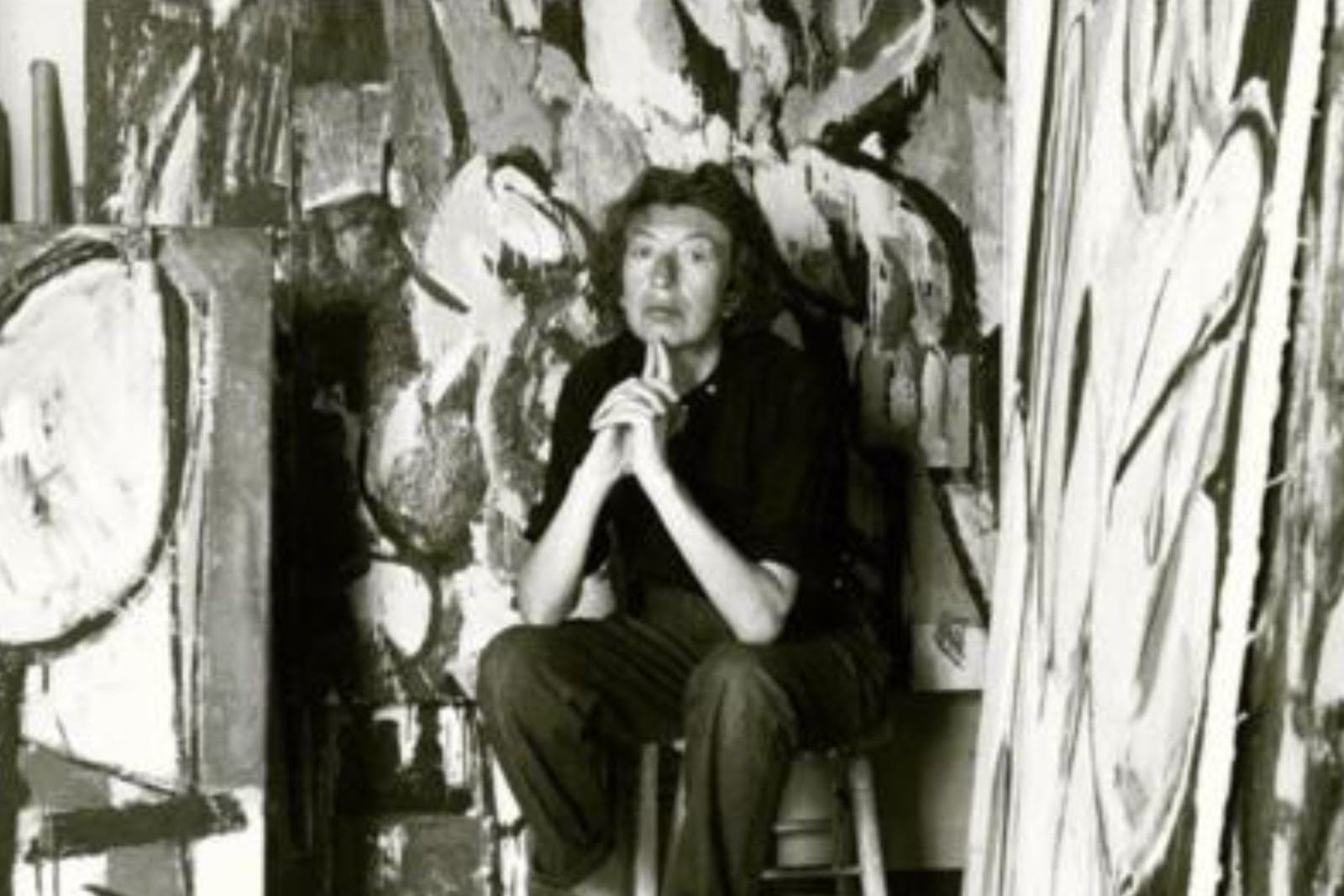
The Microcosm series, which formed the centerpiece of the Yeshiva University Museum exhibition, paradoxically explored infinite space on a minuscule scale. Abrams created this series between the 1950s and 1970s, as the Space Race unfolded and cosmic travel became a reality. For Abrams, Microcosm embodied her fascination with space and the sense of boundless freedom it offered—a theme that resonated with a new generation of Abstract Expressionists in the 1960s.
Her paintings exude a fearless sensitivity rarely seen in the aggressive and almost brutal aesthetic of many Abstract Expressionists. Instead of conforming to traditional expectations of “feminine” art, Abrams carved out a space where action coexisted with contemplation, where a tiny canvas could capture the immensity of the universe, and where an overlooked artist could, even belatedly, take her place among the history-makers of modern art.