

Being a beggar does not always mean being an outcast. In fact, some have managed to gain a degree of fame and notoriety while living on the streets. This theory is exemplified by Robert McMahon, a well-known Brooklyn panhandler. McMahon, a rather dramatic and cunning figure, played the role of a Vietnam veteran, dressing in military fatigues that supposedly reflected his service. He claimed to have lost his left arm and suffered a severe leg injury, typically seen asking for money at Ocean Parkway in Kensington. Read more about panhandling in Brooklyn and the reasons behind this phenomenon in a thriving city at brooklyn1.one.
Not All Beggars Are Actually Beggars
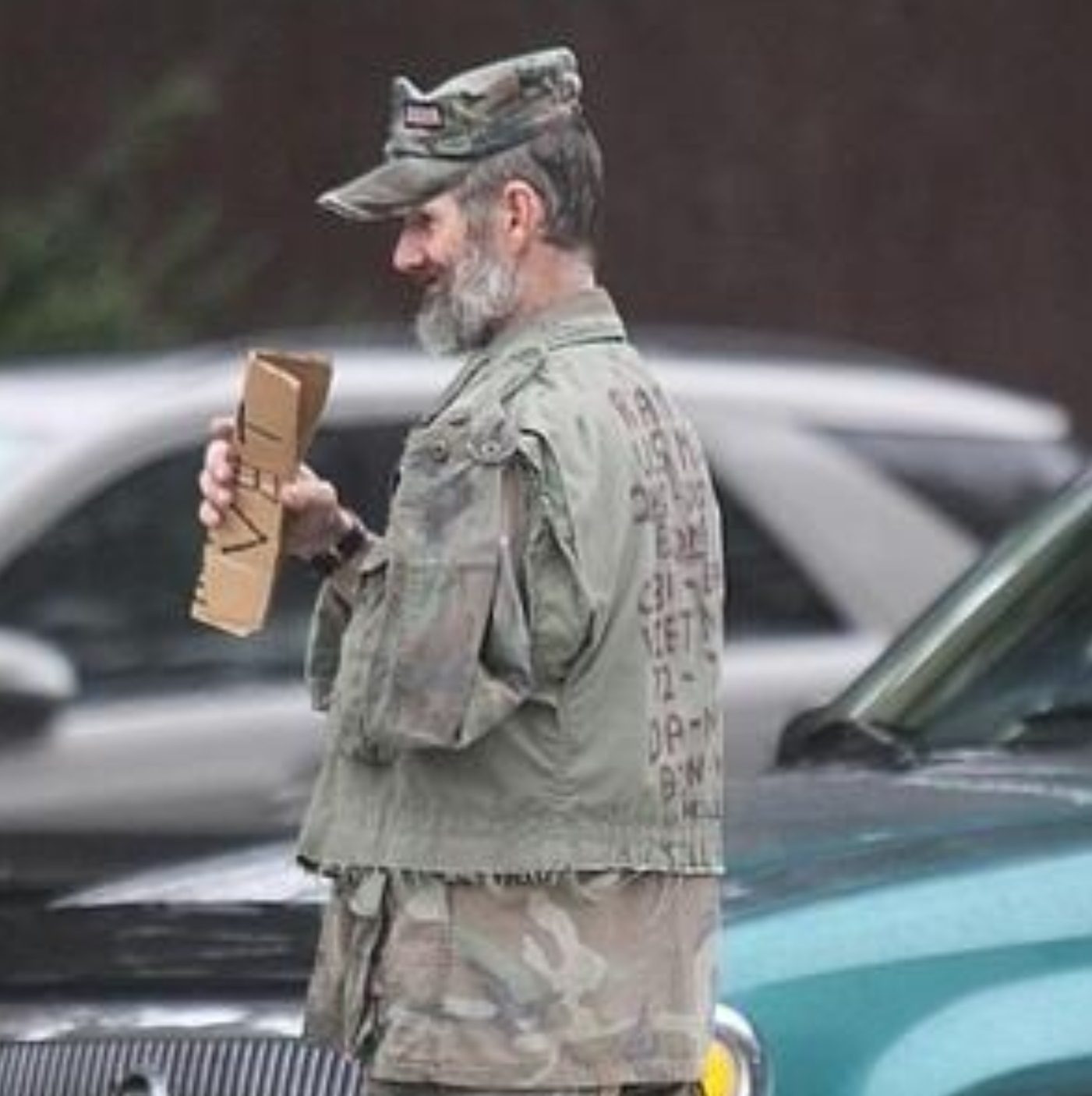
Robert McMahon plays on patriotic sentiments to encourage donations. He manipulates people’s emotions by scrawling the nickname “Rambo” on the back of his camouflage jacket, along with fabricated years of service in the Marine Corps and multiple deployments to Vietnam. His left sleeve is pinned up, giving the impression of an amputated arm, and he drags one leg behind him.
When drivers stop at a red light, McMahon, a man of indeterminate age, limps forward, saluting gallantly while juggling a paper cup and a cardboard sign that reads “Vietnam Veteran.” People give generously.
However, McMahon is a fraud. He has both arms and has been seen using them to count his stacks of cash—money he “earned” by exploiting the goodwill of compassionate Brooklyn and Manhattan residents. In reality, he is neither disabled nor a veteran. This was confirmed by both the Marine Corps and the Department of Veterans Affairs, which found no record of his service.
Nevertheless, he continues playing the role of a wounded soldier day after day, hobbling through traffic and occasionally cursing at those who refuse to give him money. He has been doing this at least since 1987, when, according to an acquaintance, he pretended to be a double amputee, maneuvering around in a rusty wheelchair while shaking his donation cup at passing cars.
The Issue of Undocumented Migrants
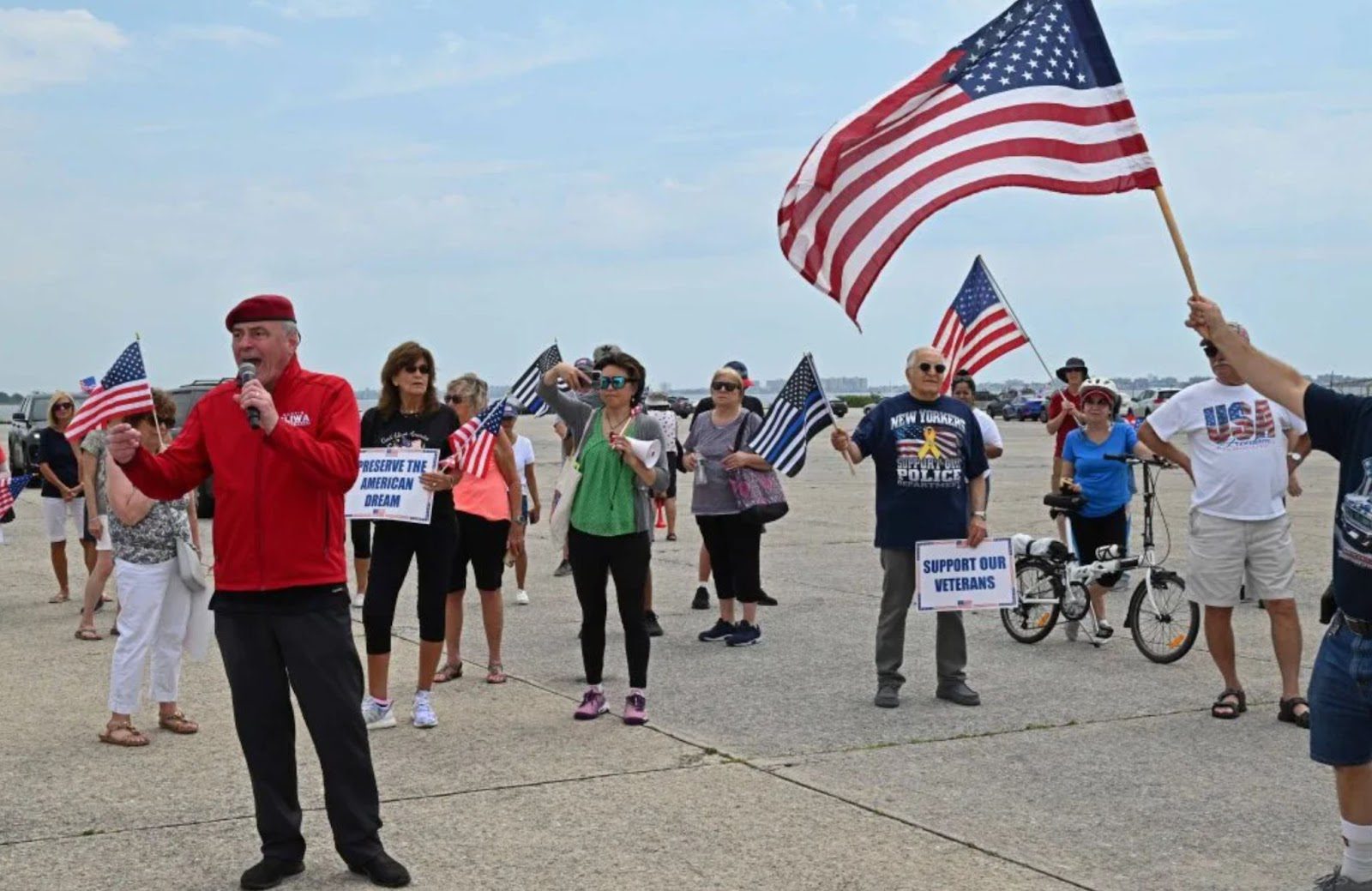
More than 100 city residents and several officials recently staged a protest near Brooklyn’s Floyd Bennett Field, demanding that local authorities shut down a migrant tent city on federally owned land. Frustrated locals, many waving American flags, gathered in a large demonstration. A caravan of over 90 vehicles arrived with banners displaying messages like “Save the American Dream” and “Stop Migrant Crime.” Others called for an end to the city’s lease agreement that allowed the site to be used as a shelter for 2,000 people—a facility that has been a source of complaints from neighboring residents since its opening in 2023.
Floyd Bennett Field is one of dozens of similar shelters converted into temporary housing for thousands of migrants who have flooded Brooklyn since 2022. Most are asylum seekers who crossed the U.S.-Mexico border and were sent north to sanctuary cities like New York, overwhelming local resources.
Since the shelter’s establishment, the former airfield has become a hotspot for disturbances and crime. In December 2023, domestic violence incidents led to multiple arrests, including cases involving weapons possession. In January, a storm forced an emergency nighttime evacuation, raising concerns about flooding and the potential collapse of tents in high winds.
Local residents have voiced ongoing frustration with their new, unwanted neighbors, emphasizing that their opposition is not about politics but about public safety and quality of life. The protest aimed to highlight Brooklyn’s support for legal immigration while opposing the unregulated influx of migrants. Furthermore, activists pointed out that Floyd Bennett Field itself poses a danger to those staying there, as it is located in a floodplain.
Do Migrants Automatically Become Beggars?
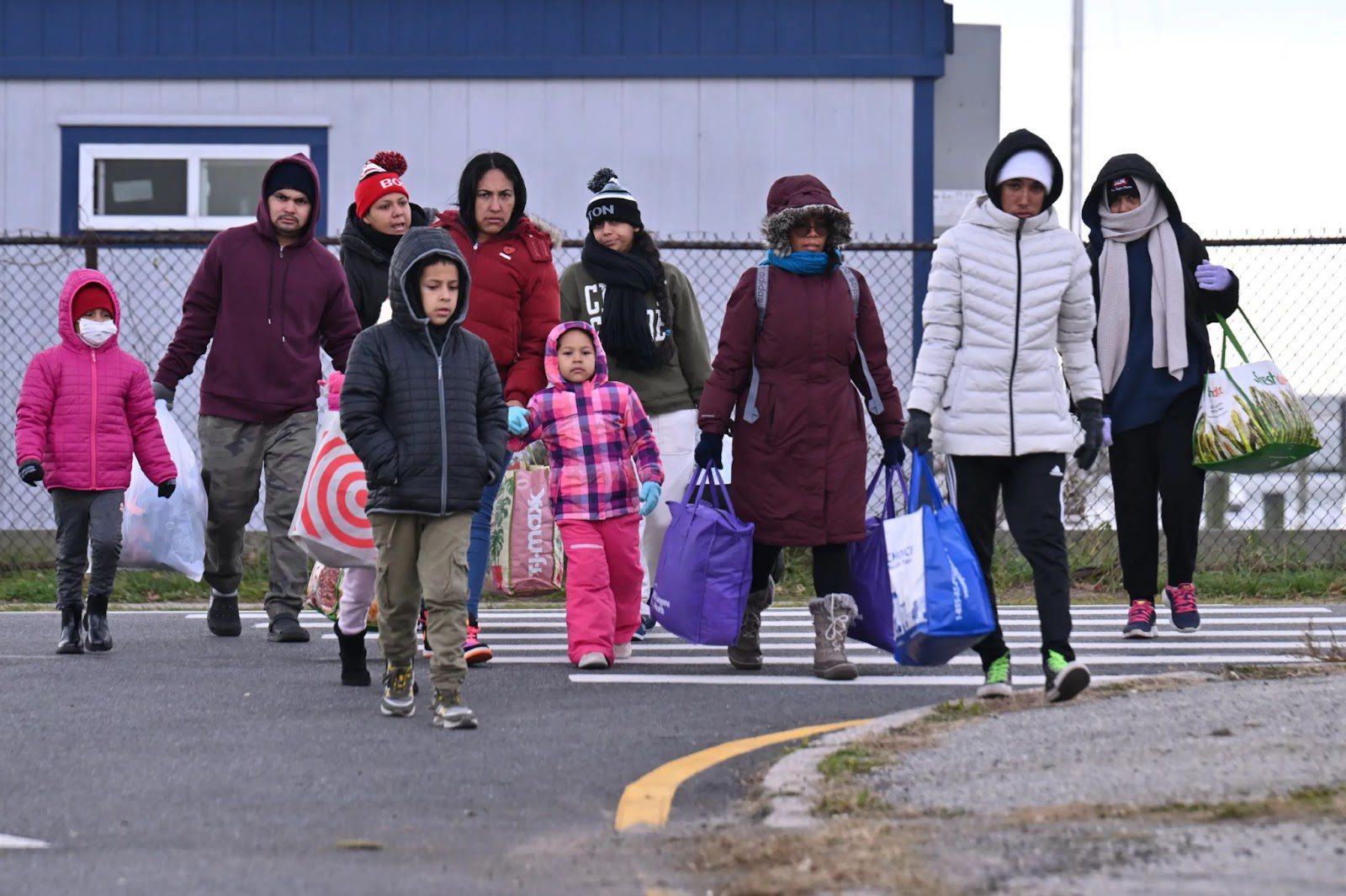
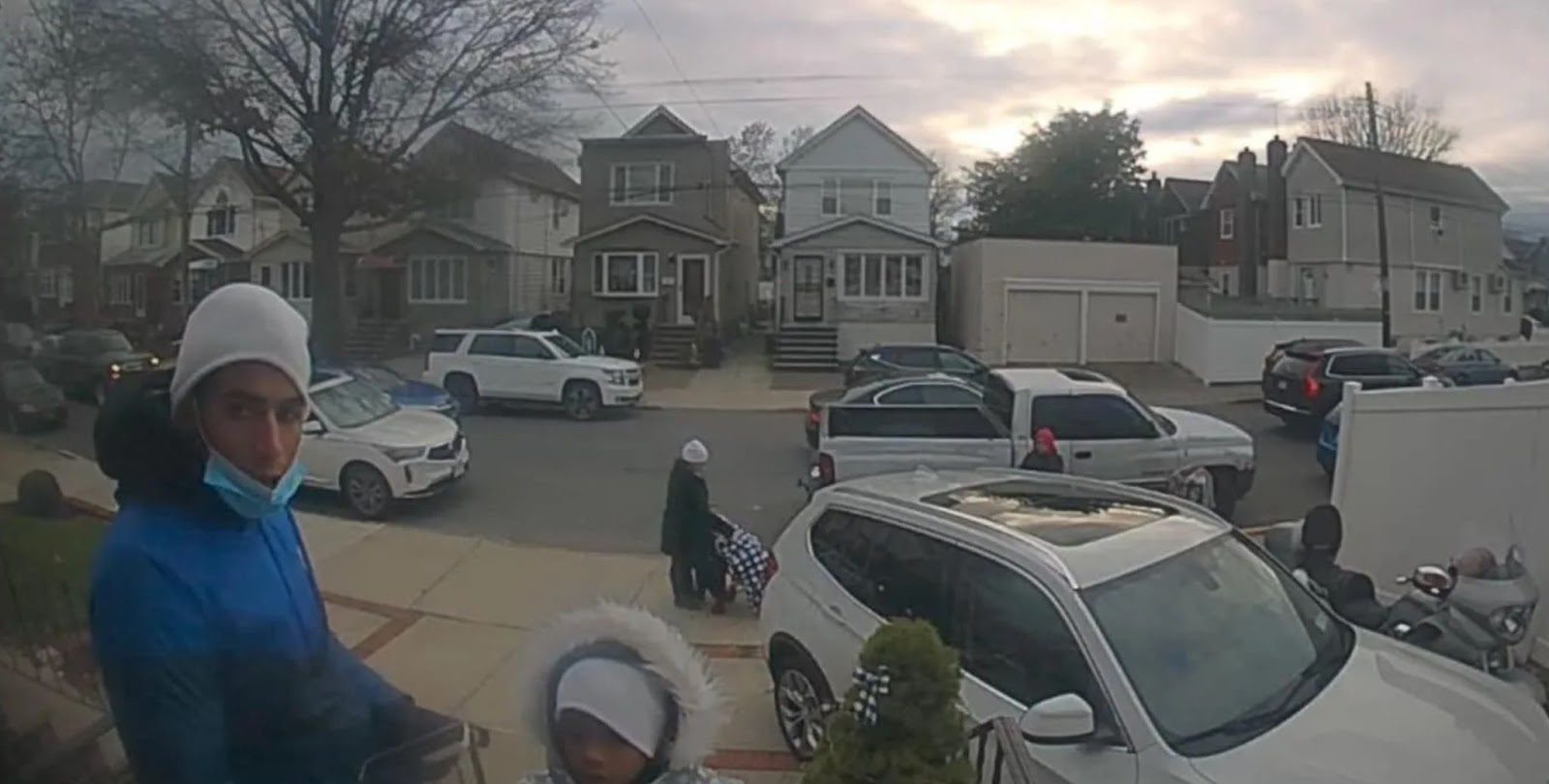
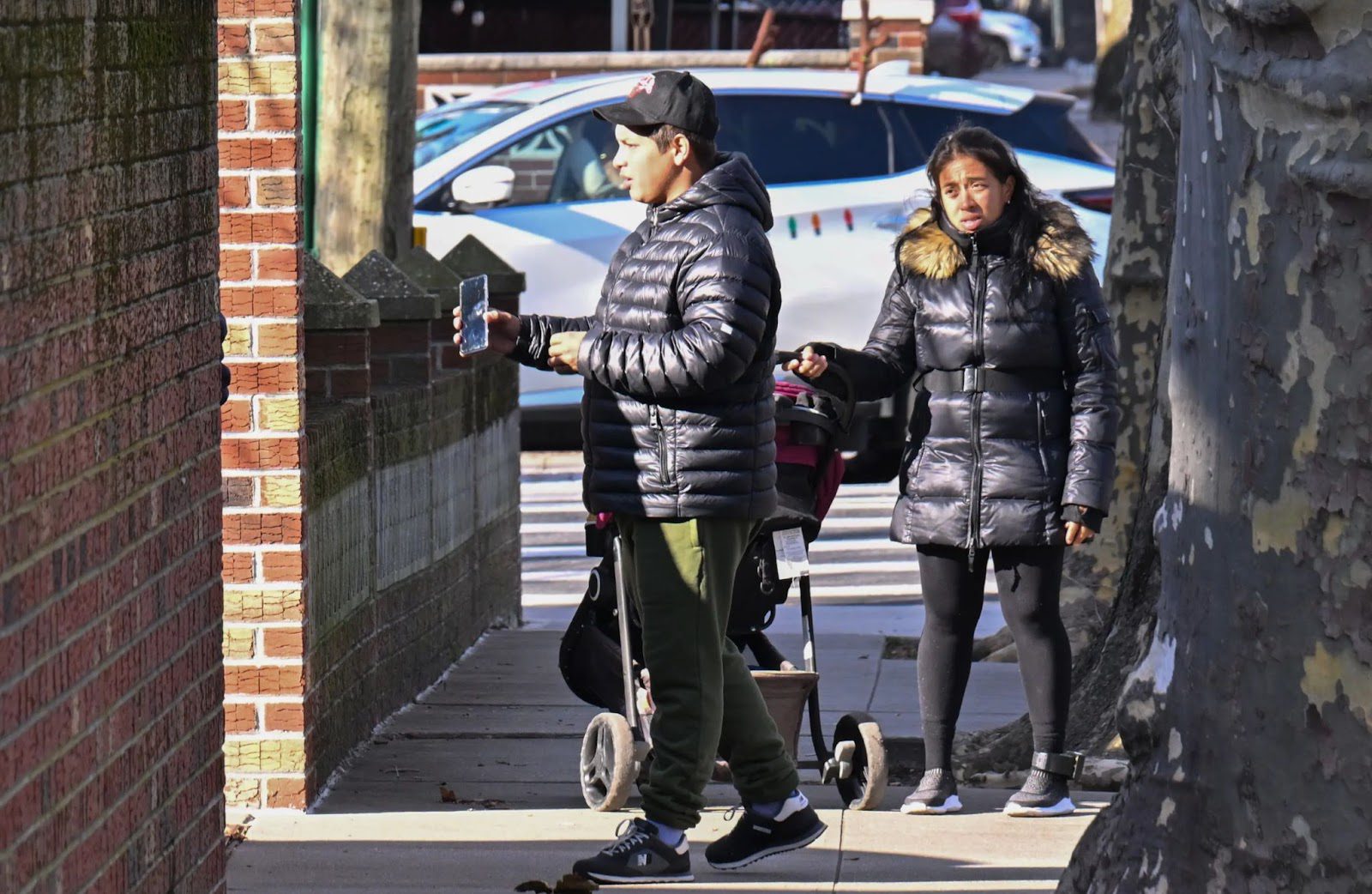
Another growing concern is that migrants from Floyd Bennett Field have begun panhandling in nearby Brooklyn neighborhoods, knocking on doors and asking residents for money, food, and clothing. Many locals find this behavior disturbing.
David Fitzgerald, 62, noted that in recent weeks, he has observed an increasing number of migrant families appearing on his doorstep in Marine Park, seeking small cash handouts. This has sparked safety concerns among his neighbors.
Residents report seeing migrants loitering outside stores and shopping centers, making rounds in their neighborhoods, and knocking on every door in search of assistance.
While Brooklynites express sympathy for their difficult situation, many feel uneasy about strangers who don’t speak English repeatedly approaching their homes. “This never happened here before,” one local said. The frequency of these visits has turned into a major concern. While some understand the migrants’ desperation, they also believe that their own right to privacy should be respected. Not everyone is prepared to deal with daily visits from people asking for clothes, food, and money.
In response, a Facebook group called Stop Illegal Migrants at Floyd Bennett Field has gained traction, providing a platform for Brooklyn residents to express their frustration over the growing problem. Posts in the group encourage locals to report panhandling migrants to the city’s 311 hotline and advise against giving in to emotional pleas.
Beggars Who Exploit Religious Identity
One of the more unusual panhandling schemes in Brooklyn has involved beggars exploiting religious identity for financial gain.
Local media have covered a unique form of deception that emerged in South Brooklyn. Some beggars have begun dressing in long skirts and specific head coverings to appear as Orthodox Jews, hoping to elicit generosity from the borough’s large Orthodox Jewish community.
The scheme relies on the idea that people will be more inclined to help someone they believe is part of their own religious community.
Before the Sabbath and Jewish holidays, these disguised panhandlers position themselves outside synagogues and Jewish neighborhoods, soliciting donations from observant community members.
It remains unclear how successful this approach has been, but the fact that some residents turned to the media suggests that the scheme has largely failed. The extent of this practice is also unknown, but at least one incident was documented in Flatbush.
A young woman, wearing a snood, approached a reporter on Coney Island Avenue with outstretched hands and said, “Tzedakah.” However, when the Hebrew-speaking journalist asked if she spoke Hebrew, she immediately fled.