

New York City is home to numerous charitable foundations, rehabilitation centers, and shelters that never turn away those in need. However, the city’s large Russian-speaking population often faces unique challenges when seeking assistance. In Brooklyn, there is a shelter specifically dedicated to this community. Read more on brooklyn1.one.
A Place of Hope for All
“Saint John the Giver of Hope” was founded in 2015 in response to the large number of homeless individuals in Brighton Beach, many of whom are Russian-speaking. People from the former Soviet Union often arrive in the U.S. in search of the “American Dream,” only to face harsh realities that leave some without shelter or support. Many of them struggle with alcoholism and drug addiction—conditions that require medical and social intervention.
Psychologists agree that homelessness is not just a financial issue but also a social one. Rehabilitation and reintegration into society are crucial. This was the mission behind the establishment of Saint John the Giver of Hope, whose work actually began in 2003.
There are approximately 600,000 Russian speakers living in New York City, the majority of whom reside in Brooklyn, particularly in the Brighton Beach area.
The shelter has become a safe haven for those who are unfamiliar with their rights, do not speak English, or simply need any form of assistance. It also serves as a refuge for those who fear deportation.
Volunteers to the Rescue
Like any charitable foundation, Saint John the Giver of Hope relies on volunteers and donations. Volunteers under the shelter’s care visit known homeless encampments, offering food, supplies, and information about available resources.
However, the goal is not just to provide temporary relief, but to help people rehabilitate and return to a stable life. To support this effort, the foundation opened the House of Diligence for Homeless Men in Coney Island in 2017. This facility provides 12 permanent beds for residents, serving as both a shelter and a rehabilitation center for individuals struggling with addiction.
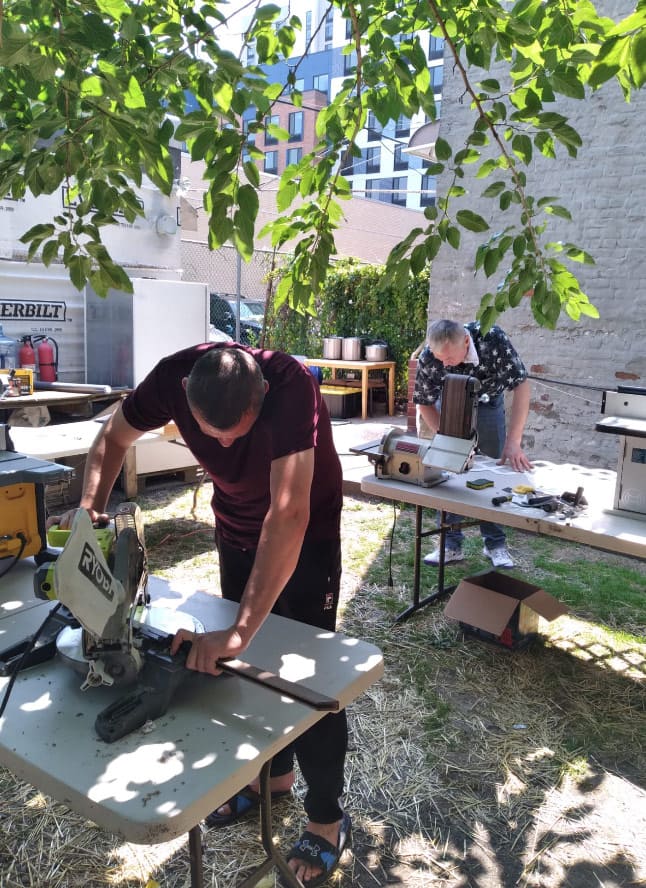
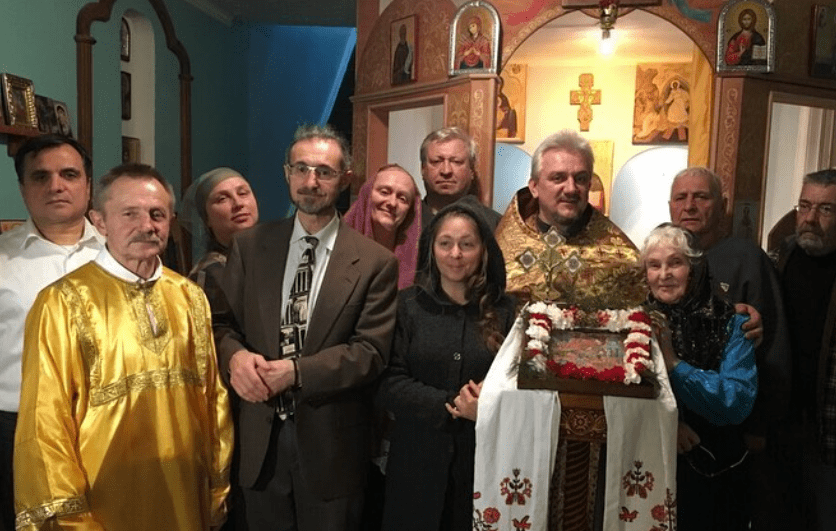
In return, residents assist with the shelter’s daily operations. Notably, they helped construct a chapel dedicated to Saint John of Kronstadt, where Orthodox Christian services are held regularly. This religious connection offers a sense of familiarity and comfort to Russian-speaking residents, helping them feel more at home.
Ultimately, Saint John the Giver of Hope is more than just a shelter—it is a full-scale rehabilitation center operating on a charitable basis.
The Rehabilitation Process
Although the House of Diligence helps people overcome addiction, it is not a medical institution. Residents are required to attend medical rehabilitation centers and Alcoholics Anonymous meetings as part of their recovery journey. Day-to-day, they must demonstrate their commitment to change through their actions.
Although the foundation was initially created for Brooklyn’s Russian-speaking community, its staff speaks English, ensuring that anyone in need—regardless of language—can seek help.
The first step in rehabilitation is often the hardest. Many homeless individuals have become accustomed to life on the streets, making it difficult to persuade them to seek help. To bridge this gap, volunteers regularly distribute hot meals. This not only provides immediate nourishment but also reminds those on the streets of the comfort and security they could regain. These interactions help build trust between volunteers and the homeless community.
How the Community Can Help
Beyond financial support, the foundation also relies on donations of clothing, hygiene products, food, and volunteer labor. Sometimes, a person’s time and effort are more valuable than money.
The shelter works closely with volunteer chefs who prepare hot meals, particularly soups. These meals are then distributed at designated food distribution points. Additionally, some Brooklyn restaurants and cafes donate bread, prepared meals, and ingredients, playing an essential role in supporting the foundation’s mission.
During food distributions, volunteers engage with the homeless, offering encouragement and assistance with practical needs such as laundry, showers, or medication. These encounters often serve as a gateway to rehabilitation, as many individuals learn about the shelter’s recovery programs during these informal interactions.