

Mason Peaks and Mason Mints are legendary confections originally produced by Mason, Au & Magenheimer Confectionery Mfg. Co., a Brooklyn-based candy company located at 22 Henry St. Mason Peaks were chocolate-covered coconut candy bars, while Mason Mints featured a round mint filling coated in chocolate. The company also produced Dots and Crows candies, which are now owned by Tootsie Roll Corporation.
The company was founded in 1864 as Mason & Au at 81 Fulton St, Brooklyn, by Joseph Mason and Ernest von Au. In 1880, Emil Zollinger joined the business, leading to a name change to Mason, Au & Zollinger. Learn more about one of Brooklyn’s most famous candy manufacturers at brooklyn1.one.
The First Factory
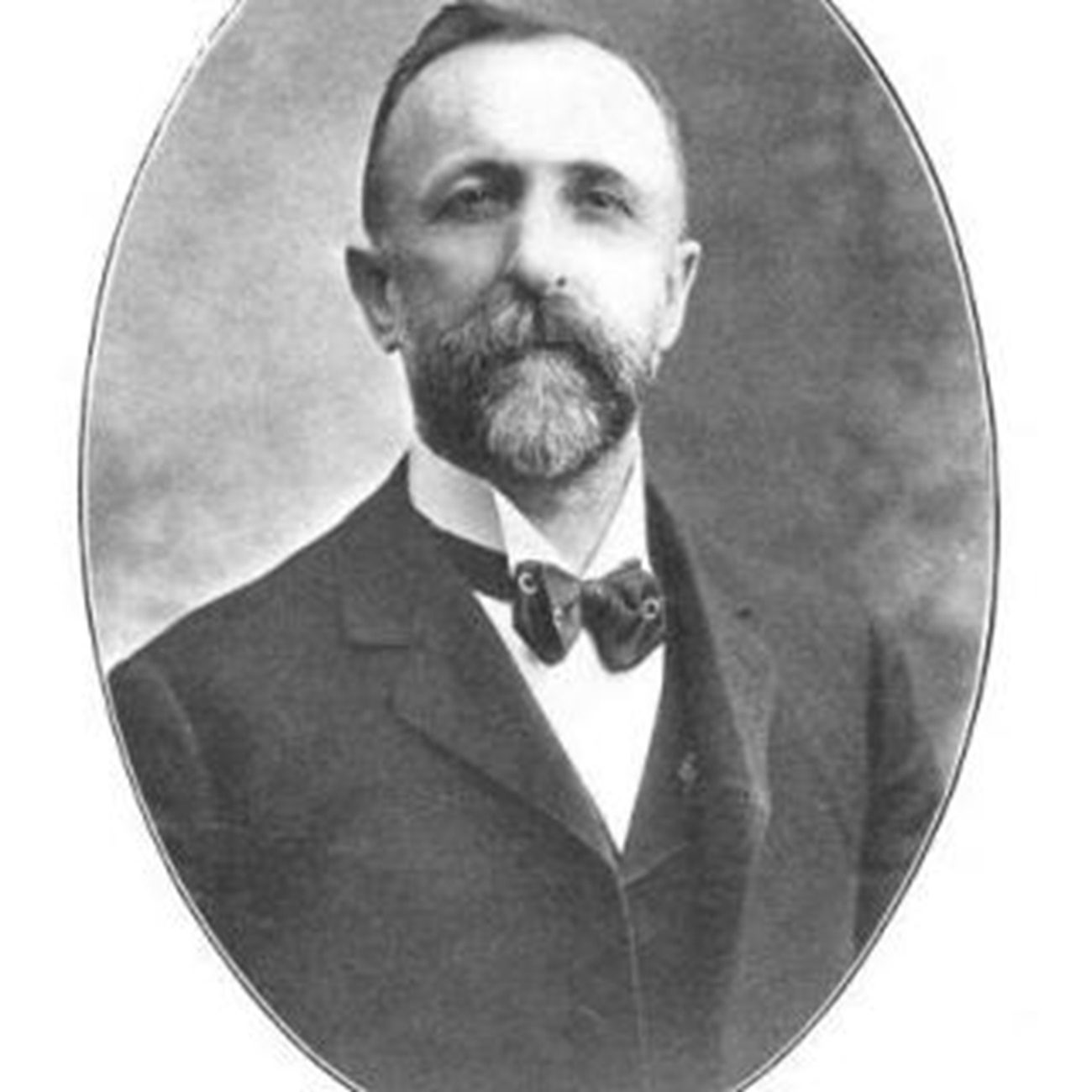
Founded in 1864, the company flourished at 81 Fulton St, producing popular sweets. By 1892, Mason, Au & Zollinger had outgrown their original space, prompting a move to 22 Henry St. The new factory was designed by Theobald Engelhardt, one of Brooklyn’s most prolific architects of the late 19th and early 20th centuries.
Engelhardt, the son of German immigrants, was a key architect in Brooklyn’s Bushwick, Williamsburg, Greenpoint, and Bedford-Stuyvesant neighborhoods. His portfolio included breweries, factories, row houses, and public buildings. He designed the brick factory with large windows to improve lighting and working conditions—ideal for light manufacturing.
Over time, the building was converted into residential units. Engelhardt, deeply connected to the community, shaped much of Brooklyn’s industrial and architectural landscape.
A Sweet Legacy
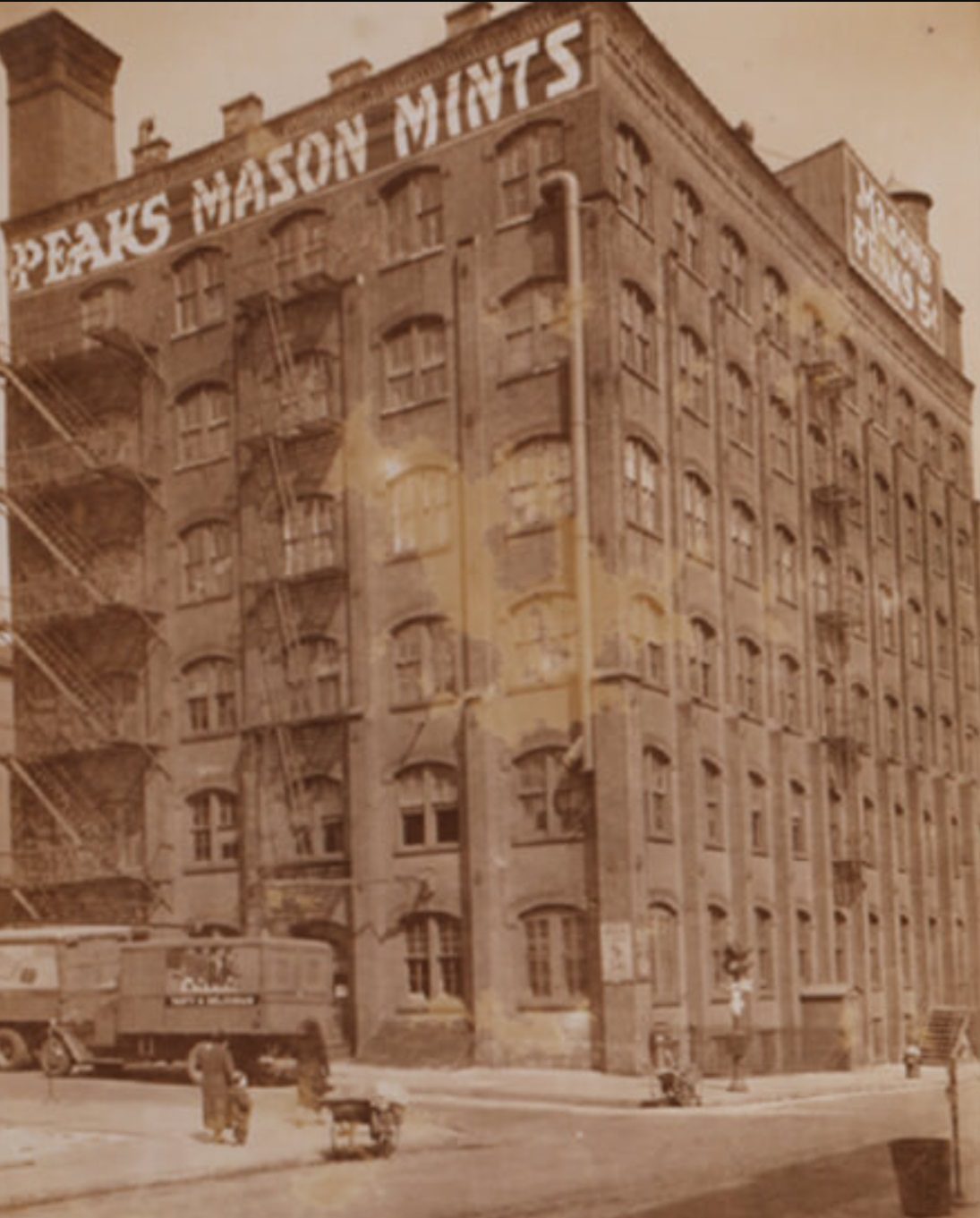
Mason became famous for several iconic confections, including Mason Mints, Mason Peaks, and Dots.
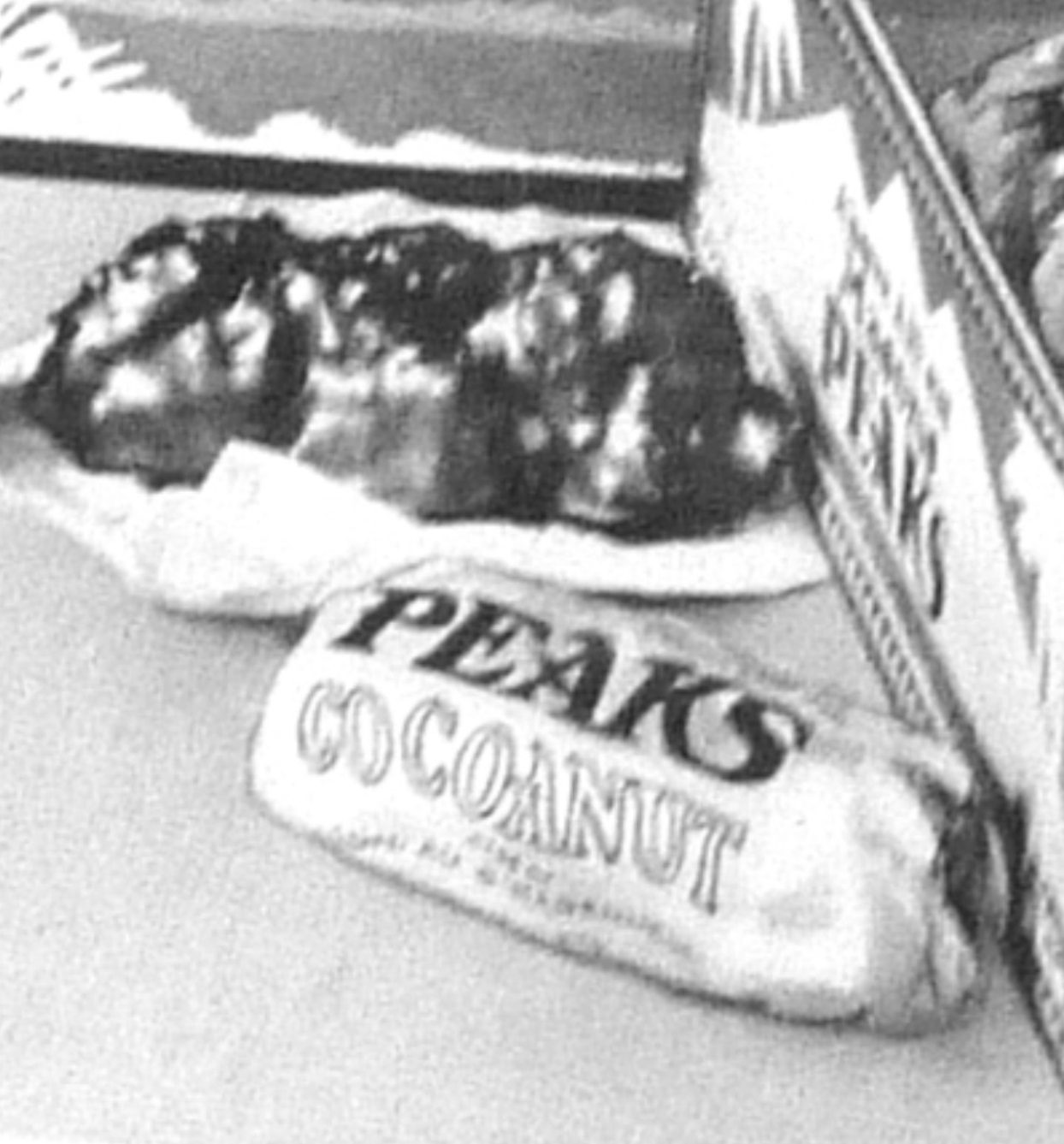
By the 1920s, Mason Peaks had become one of the company’s top-selling products. The candy bars had a rough, snow-covered appearance, resembling a mound of coconut covered in chocolate. At the time, coconut fillings were among the most popular choices, a trend that continues today.
Joseph Mason described the bars poetically, likening them to “snow-capped mountains of pure sweetness.” Product packaging featured an illustration of a snowy peak with a coconut tree in the foreground, creating an exotic yet somewhat confusing visual.
Mason’s creativity extended beyond candy bars—his “Ice Cream Fountain” introduced new ways to serve candy, such as slicing the bars and pairing them with ice cream. A Pennsylvania candy and ice cream shop even developed a method of melting Mason Peaks into a chocolate topping called “Peaks Sundae.”
A store owner, H.P. Toner, once wrote to Mason, raving about the candy and declaring that he had never sold a candy bar as successful as Peaks. Inspired by its popularity, he transformed his store into a dedicated Peaks shop.
Brooklyn’s Candy Boom
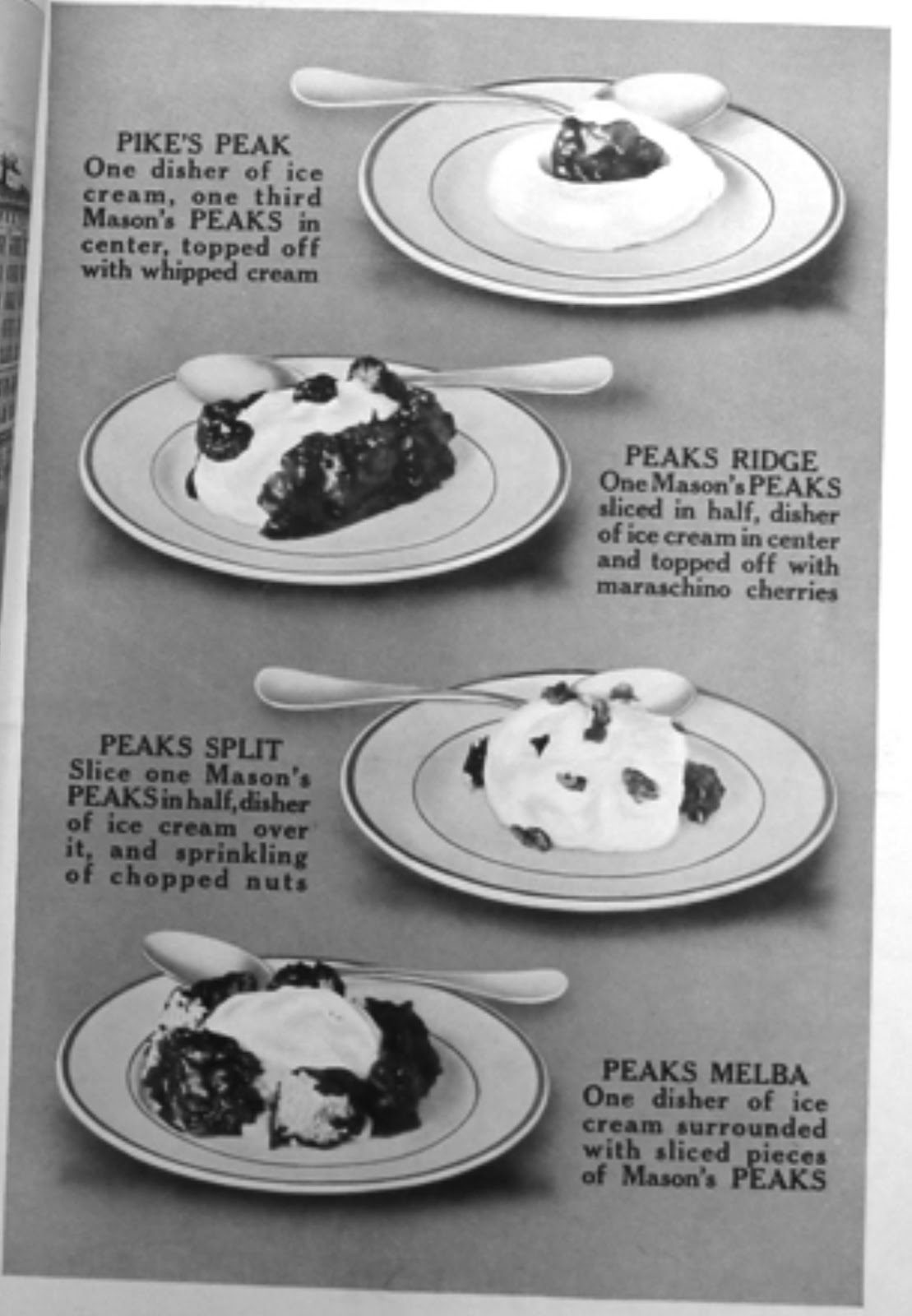
The 1880 U.S. Census recorded Mason, Au & Zollinger’s financial assets at $110,000, with $104,000 in raw materials. The factory employed 35 workers, with skilled laborers earning $3.50 per day and general laborers $1.50. The company’s annual payroll was $15,416, and 1879’s production value reached $150,000.
By 1884, the company’s leadership had expanded to include Louis Magenheimer. In 1933, Charles F. Haug served as president, Frederick A. Magenheimer as vice president and treasurer, and Herbert E. Haug as secretary.
Mason, Au & Magenheimer operated at 22 Henry St. until 1949, when it relocated to Long Island. In the 1960s, the company was sold to Bayuk Cigar, then to Candy Corporation of America, and finally to Tootsie Roll.
The Factory’s Transformation

By the 1970s, the old candy factory was converted into artist housing under New York’s Mitchell-Lama program. This government-subsidized housing initiative allowed artists to live affordably in Brooklyn for nearly 30 years. The factory was Brooklyn’s only artist residence funded by the government.
However, in 2003, the building’s new owner opted out of Mitchell-Lama, forcing out tenants as leases expired. Maintenance and repairs were neglected to encourage tenants to vacate, while buyouts were offered to further expedite the process.
Some residents—many of whom were elderly artists—filed lawsuits but lost their case and were ultimately displaced. Along with their homes, the community garden next to the factory was lost to redevelopment.
The Factory’s Final Fate
Once the building was vacated in 2004, it was redeveloped into luxury condominiums. However, the project faced numerous setbacks, including construction disputes, the 2008 financial crisis, and structural issues. A massive roof collapse occurred right before the rainy season, causing further delays.
To make the project profitable, the entire interior had to be gutted and rebuilt. Complicating matters, only the top two floors had the panoramic views featured in marketing materials. Developers also faced uncertainty over zoning restrictions limiting the building’s height.
In 2010, the project was purchased by a new investment team, including Magic Johnson Enterprises. The new investors hired architect Joseph Pell Lombardi, known for historic preservation projects. The redevelopment was finally completed in 2012.
Although the Mason brand changed hands several times, Tootsie Roll Corporation continues to produce Mason Mints and Dots.
Some longtime Brooklyn residents still fondly recall the original candy factory, where workers would toss candies from the windows to excited children waiting below.