

Everyone knows that the Juilliard School is New York’s premier institution for nurturing musical talent. This world-renowned academy of arts has produced countless musical greats. However, history has shown that exceptional talent can emerge even in the most modest conditions. Sometimes, all it takes is a small push to set someone on the path to musical excellence. Brooklyn is home to several private music schools with different specializations, but Brooklyn Music School (BMS) stands out as the borough’s oldest specialized educational institution. More details at brooklyn1.one.
The Music of Immigration
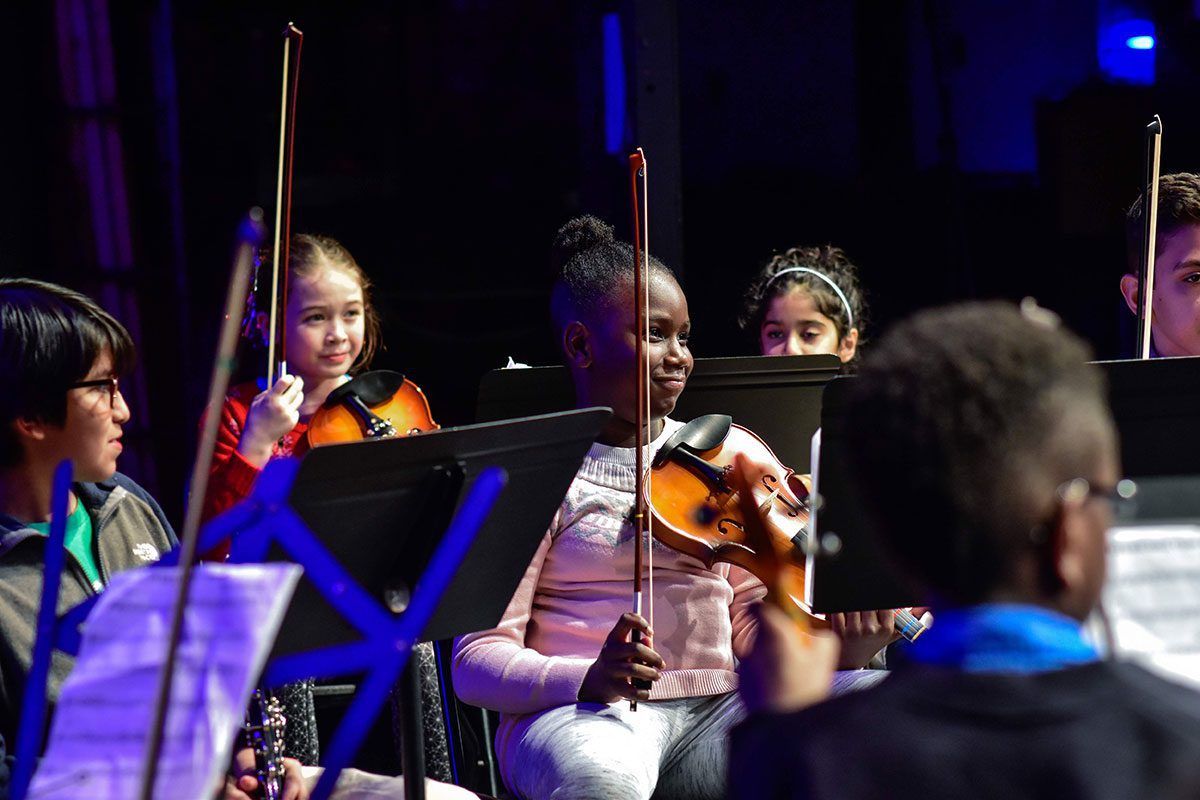
Brooklyn Music School was founded in 1909 by immigrants, who made up a significant part of the borough’s population at the time. Moving to a new place is always a life-changing experience, and many immigrants brought their cultural heritage and music with them. They sought to share the classical compositions of their homelands and introduce Americans to the beauty of their musical traditions.
This historical aspect of Brooklyn’s development had a direct influence on its future. Even in the 21st century, Brooklyn remains a place where creative ideas and artistic expression thrive. It is a borough known for its openness and diversity, and Brooklyn Music School continues to uphold these values.
Located in a historic building in Fort Greene, Brooklyn’s cultural epicenter, the school offers ample space for students to learn and grow. The facilities even include a 266-seat theater. Students at BMS do not simply study music or master instruments—they showcase their skills in concerts and live performances.
Brooklyn Music School is a proud member of the National Guild for Community Arts Education. In 2018, the school expanded its offerings by establishing the Music Academy.
A Diverse Student Body
Just as Brooklyn has historically welcomed people from all walks of life, regardless of their background, Brooklyn Music School embraces students of all races and nationalities. The school also offers scholarships and financial aid programs for low-income families.
BMS has adapted so well to the needs of its students that, for many, it represents their only opportunity to receive a quality music education. Unlike private schools that have the luxury of selective admissions, this community school accepts all applicants. This approach helps level the playing field for children from disadvantaged backgrounds and those with disabilities. Despite being a community school, its graduates have the opportunity to enroll in conservatories across the United States and beyond. Some students continue their education at the Brooklyn Conservatory of Music, which was founded in 1897. In addition to advanced training for professional musicians, the conservatory offers programs for children and talented teenagers. They refer to this as “music therapy,” aiming to introduce students of all ages to the world of music. One of the most effective ways they attract new students is through their annual concerts, featuring performances by the Community Choir and Orchestra.
The School’s Mission
Psychologists have repeatedly emphasized the importance of music education during childhood. Learning music helps develop patience, enhances academic performance, and boosts self-confidence.
Brooklyn Music School has always recognized the value of music education. As a historically multicultural neighborhood, Brooklyn benefits from a school that provides access to a wide variety of musical instruments, ensuring that students can explore different cultural traditions.
Even if a child does not plan to become a professional musician, music lessons help develop essential skills. One of the most crucial of these is memory. Learning to read musical notes, recognizing patterns, and reproducing melodies by ear all contribute to cognitive development, which can later aid students in their college education.
Many educators believe that the earlier a child starts music lessons, the easier it will be for them to develop language skills, writing abilities, and social interactions. Music education also helps children articulate their thoughts more clearly and express themselves with confidence.