

As an independent city, Brooklyn was one of the leaders in the region regarding public education. At that time, local educators were convinced that public education was necessary for an educated population and workforce. Consequently, everything was done in the city and later in the borough to organize this process at the appropriate level. Read about the opening of Boys High School in Brooklyn at brooklyn1.one.
Project and construction
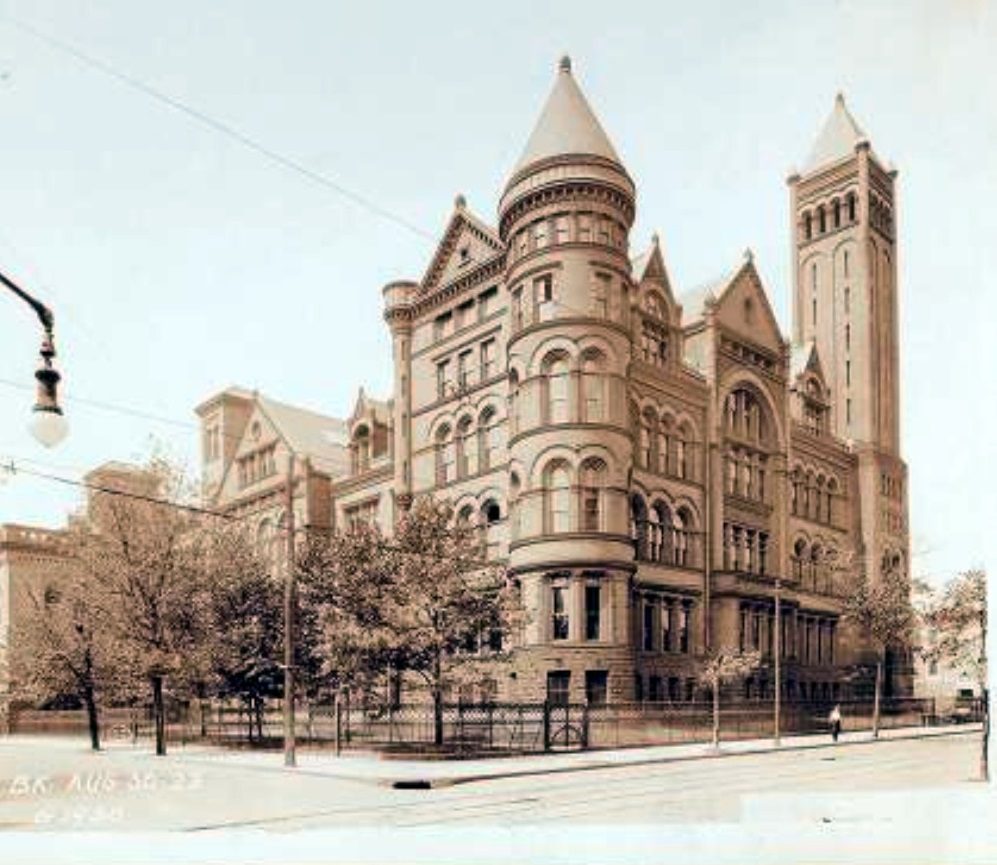
In 1885, the first high school opened in New York City, Girls High School. Initially, it was planned that both boys and girls would study there, but even before the school was ceremoniously opened, it became clear that the building was too small. Therefore, the boys had to wait until September 1892, when a school for them would be built.
James W. Naughton designed the project and the girls’ school. He chaired the Buildings for the Board of Education from 1879 to 1898. This architect, who studied at Cooper Union, was responsible for over 100 schools built. He was most active when Brooklyn was on the rise.
By the mid-1880s, most buildings in America were built in the Romanesque Revival architectural style.
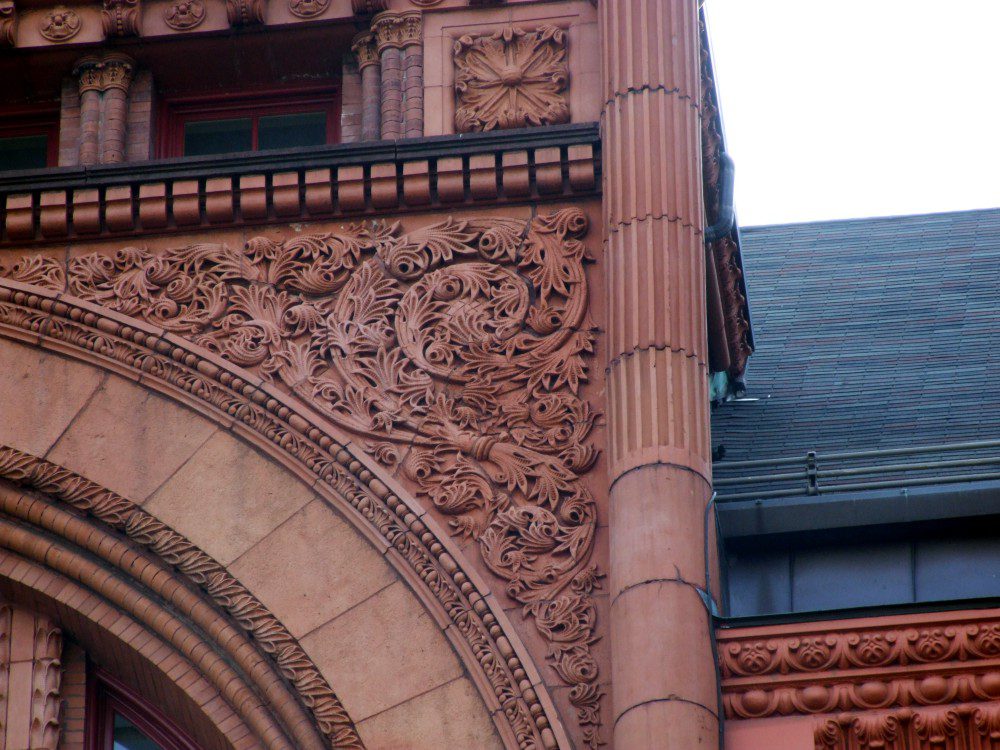
This style featured different forms and textures, high arches and decorative elements that looked impressive. Many institutions in Brooklyn were designed in the Romanesque Revival style. However, this Boys High School surpassed them all.
Naughton designed a school that occupied half a city block, extending across three streets. From the side of Marcy Avenue, one could observe towers, pediments, dormer windows and terracotta embellishments.
The institution boasted high academic standards
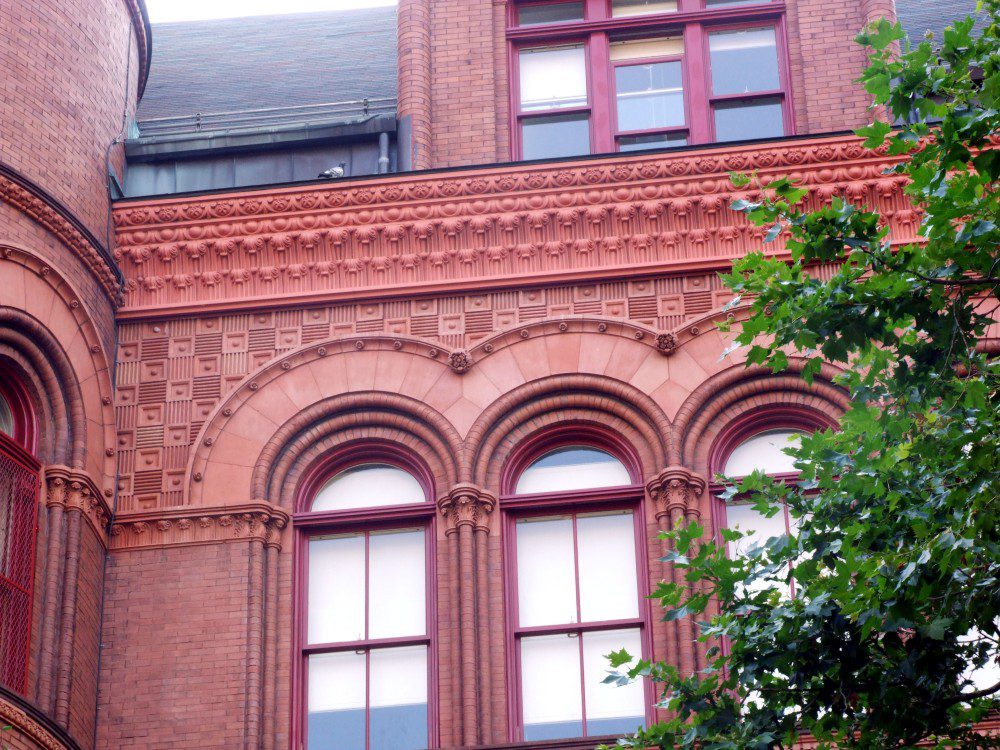
A tower with a conical roof was combined with a tall, square tower that was inappropriate but perfect. Portraits of students decorated the left tower and walls.
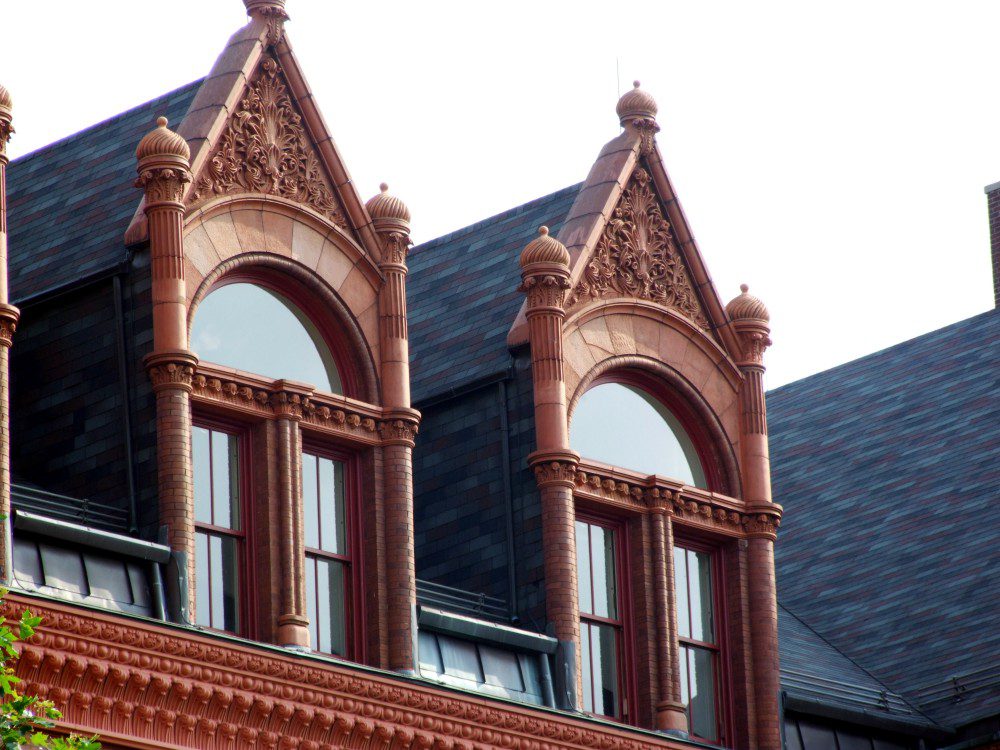
The side sections of the building offered yet another lesson in architecture: featuring pediments and a row of dormer windows on almost every floor, all covered in terracotta.
Like the Girls’ High School, the Boys School was a public institution. It was intended to educate the best students, and even before its opening, all places in the institution were filled. As a result, the institution had to be expanded.
In the mid-20th century, children of Jewish immigrants studied at the school. It was a recognized school in the city with high academic standards. Every teacher in New York dreamed of working there. Among the notable alumni of the school are Norman Mailer, Isaac Asimov, Aaron Copland, Man Ray, Norman Lloyd, William Levitt, architect Morris Lapidus, and Max Roach. Professional athletes Lenny Wilkens, Tommy Davis, Connie Hawkins and C. Green also studied here. The school’s athletic programs were the best.
Unfortunately, all good things come to an end. In the 1960s, the school was described in a New York Times article as a “gloomy Victorian building.” In 1975, the board decided to merge the Boys High School with the Girls School. A new school was built on Fulton Street and Utica Avenue.
Landmark school
Both of the schools remained empty. After some time, adults began to receive secondary education at the Girls School. The premises were repurposed for a Continuous Education School for adults. The school for boys remained unoccupied for a while until it was recognized as a separate architectural landmark. In 1975, the New York City Landmarks Preservation Commission designated the school as one of the finest examples of Romanesque Revival architecture in the city. It was added to the National Register of Historic Places on February 25, 1982.
Thus, the building, which is considered one of Naughton’s best works, was saved from destruction. For 15 years, it housed rehabilitation courses for troubled teens.
The premises needed restoration. Finally, largely thanks to community activists, funding was secured.
From then on, Boys’ High School looked as exquisite as ever, with at least three charter schools and other educational programs.
In 2013, the back of the building appeared as the Knickerbocker Hospital in the Cinemax drama “The Knick” starring Clive Owen. After filming, all the decorations remained in place for a long time.