

Walt Whitman is a world-famous American poet. Some consider him the successor of the great poets of the past. In Leaves of Grass, he praised democracy, nature, love and friendship. This work celebrated the body as well as the soul, finding beauty and solace, even in death. He is considered one of America’s greatest poets of the 19th century. Later, he influenced many poets, including Ezra Pound, Simon Ortiz, Allen Ginsberg, C.K. Williams and Martin Espada. Read more about the creative path of the native of Brooklyn on brooklyn1.one.
Birth. Adolescence. Youth
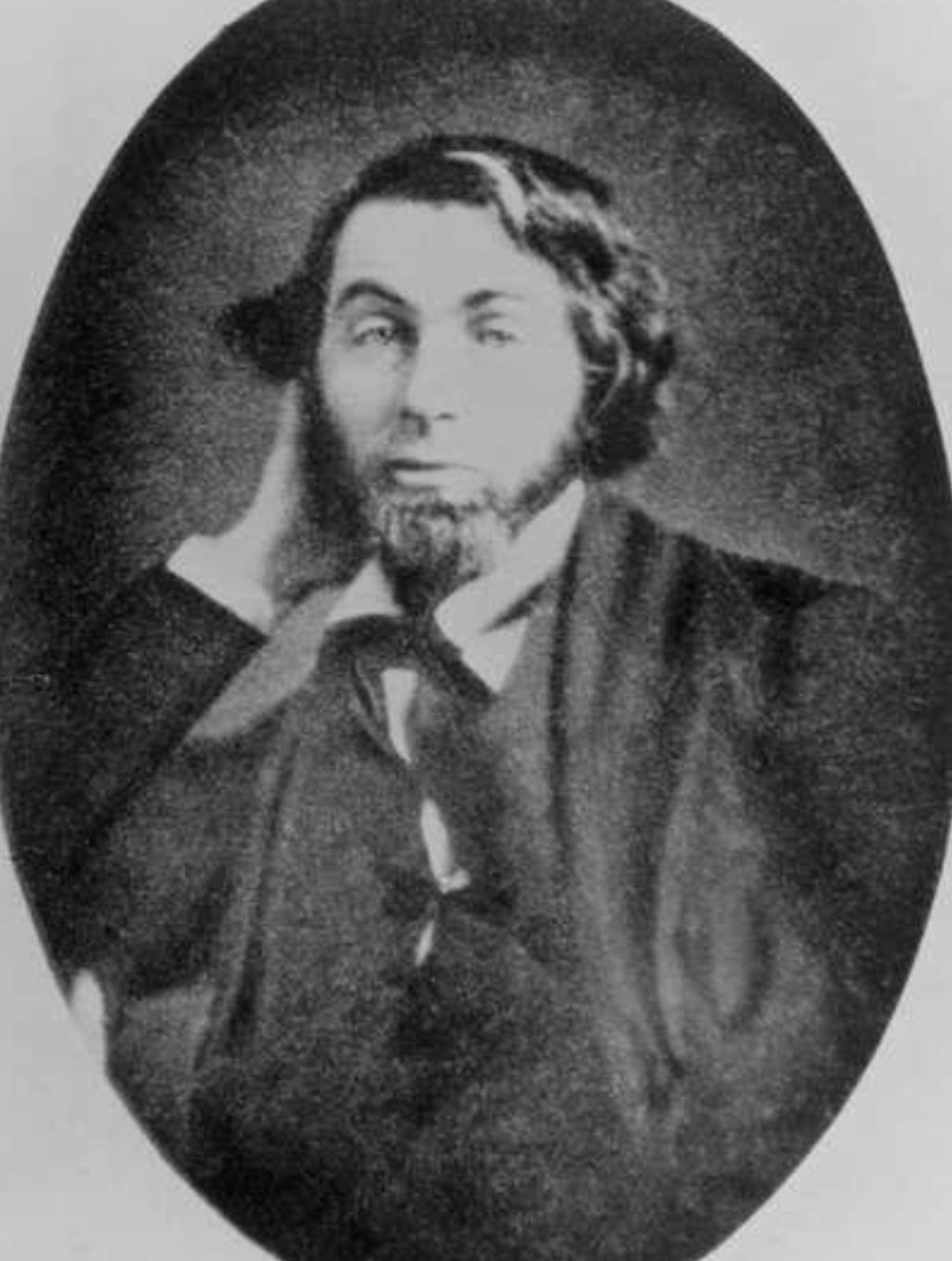
Walt was born on May 31, 1819 in Huntington. The family settled in North America in the first half of the 17th century. His mother, Louisa Van Velsor, was Dutch. His father, Walter Whitman, was of English origin. They were farmers with little education.
They once owned a large part of land. However, by the time Walt was born, it had dwindled so much that his father even took up carpentry, although they still lived on a small piece of the inherited estate. In 1823, they moved to Brooklyn, which was experiencing an economic boom at the time. There, the father built cheap houses for artisans. However, he was a clumsy manager. It was challenging to earn a living for a family that had grown to nine children.
Walt was the second child. He attended local public school and began working at an early age. As a child, he also began studying printing and fell in love with writing. Mostly self-taught, he read avidly and widely, familiarizing himself with the Bible and the poems of famous authors.
The beginning of the career
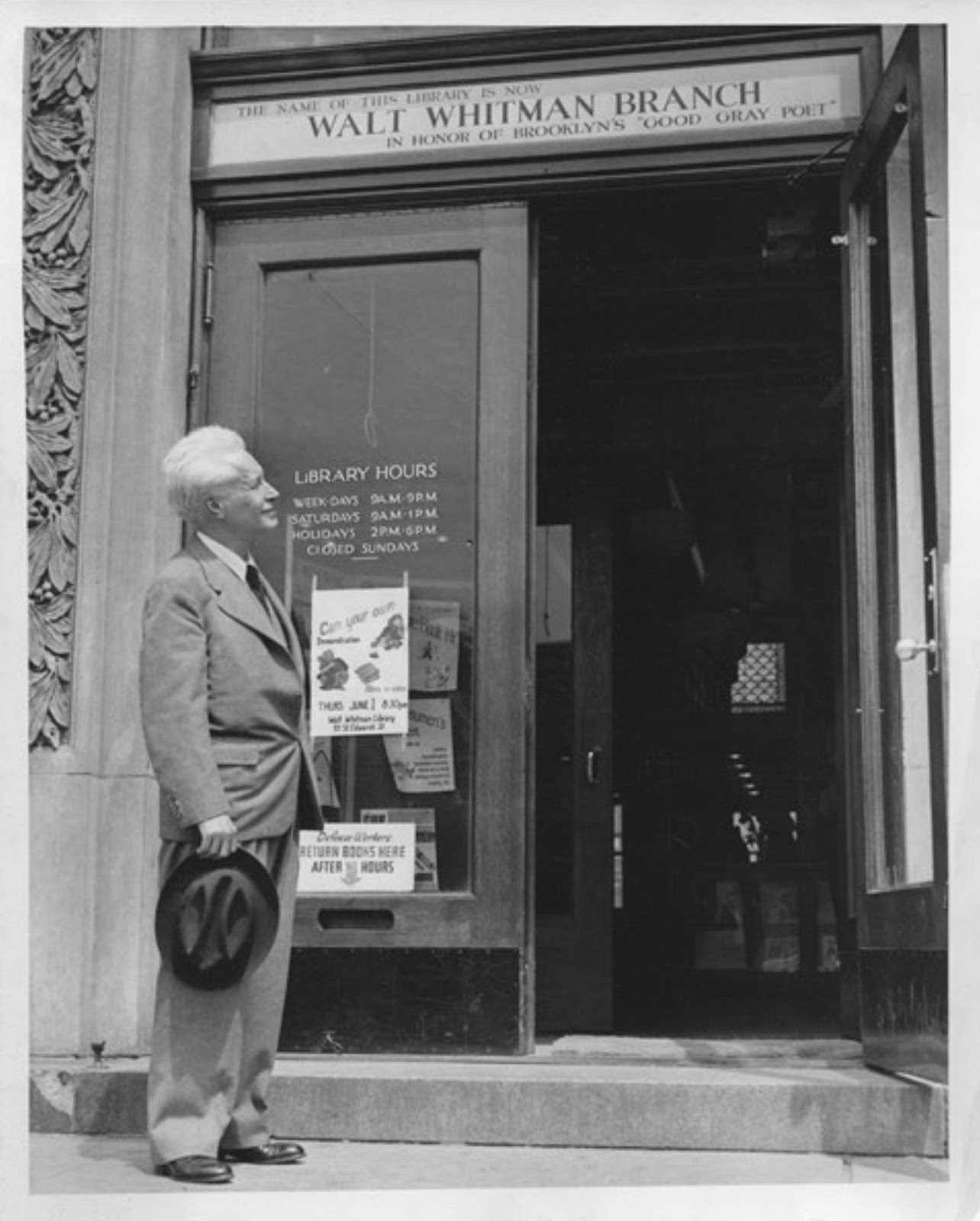
Our hero worked as a printer until a fire destroyed the printing press. In 1836, he became a teacher and continued to teach in country schools until 1841. Still, he did not like the role of a teacher and turned to journalism as a career that the young man was ready to pursue full-time. Walt founded the Long-Islander and also had work as an editor.
At the age of 23, he was an editor in New York’s daily newspaper. From 1846, he edited The Brooklyn Daily Eagle, a well-known, popular and important publication of that time. He was fired in early 1848 for his support of the anti-slavery Free Soil Party. Then, he went to New Orleans, where he worked at The Crescent. Shortly, he went back to New York.
In New Orleans, he faced the horrors of slavery. After another unsuccessful attempt at journalism, he founded a newspaper called the Brooklyn Freeman. He began building houses and engaged in real estate from 1850 to 1855.
A unique style of poetry
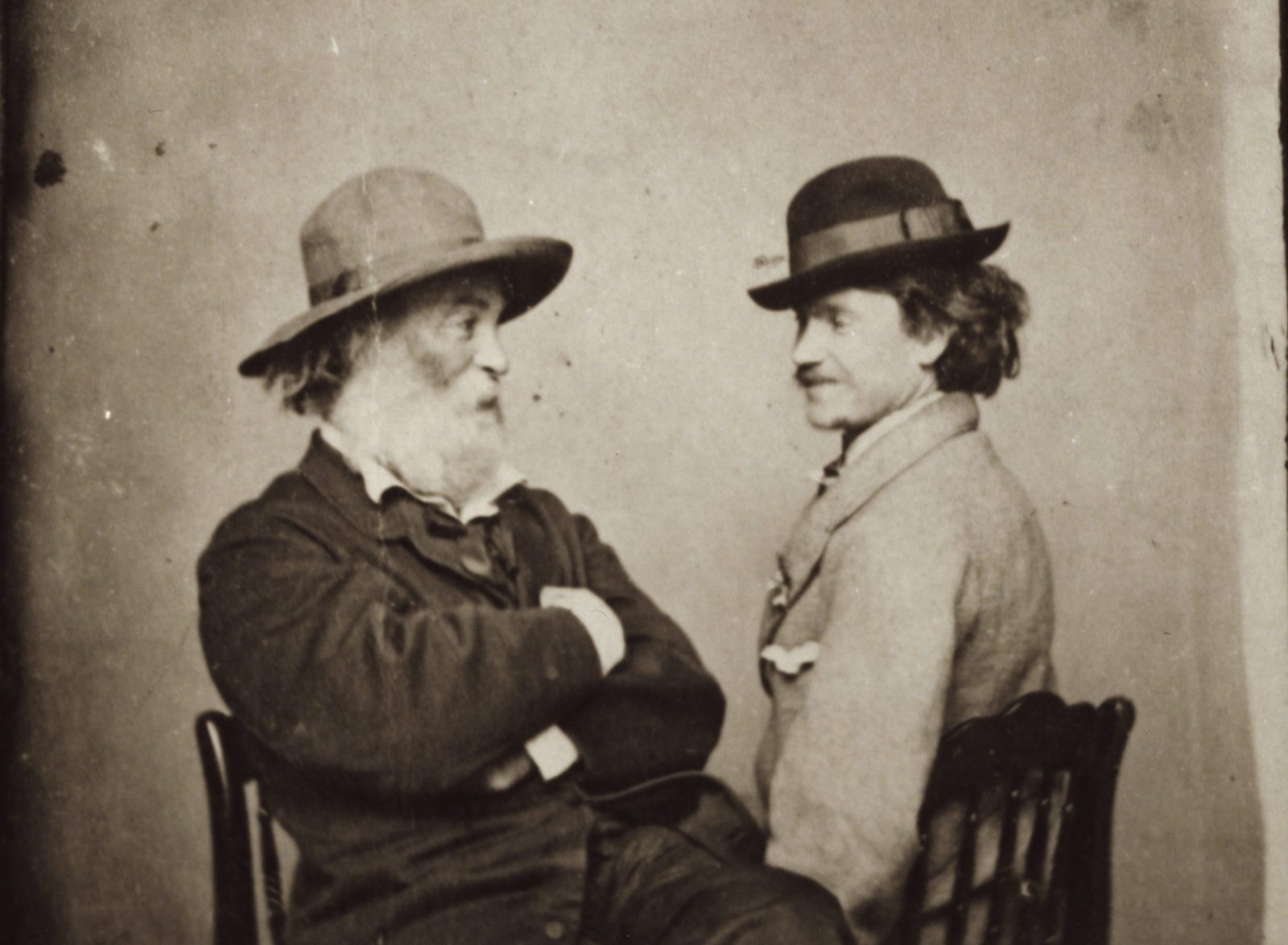
He spent most of his 36 years walking and observing, living in NYC. He often visited the theater and saw many of Shakespeare’s plays. The man fell in love with music, especially opera. He also read a lot at home and in libraries. This probably inspired him to experiment with a new style of poetry. Previously, he published stories and poems but they were very far from true literature.
At the same time, he continued to develop his unique style of poetry. It should be noted that the poet left and returned to Brooklyn many times during his life. However, the borough was always a significant part of his poetic life. In 1900, he wrote the poem Crossing Brooklyn Ferry, in which he described his journey and the excitement he felt crossing from Manhattan to Brooklyn.
In the spring of 1855, he had enough poems to publish. They were written in the new style he had developed. Not finding a publisher, Walt acted recklessly. He sold the house and printed the first edition of Leaves of Grass at his own expense. This first edition of 1855 did not have any name of publisher or author. The cover featured a portrait of the author, broad-shouldered, ruddy like Bacchus, with a beard of a satyr-like man. That’s how Bronson Alcott described him in an 1856 magazine article.
The book was not appreciated by readers or critics after their publishing. However, it was very warmly received by the poet and essayist Ralph Waldo Emerson. After reading the poems, he wrote to the author that it was the most unusual work of wit and wisdom that America had seen.
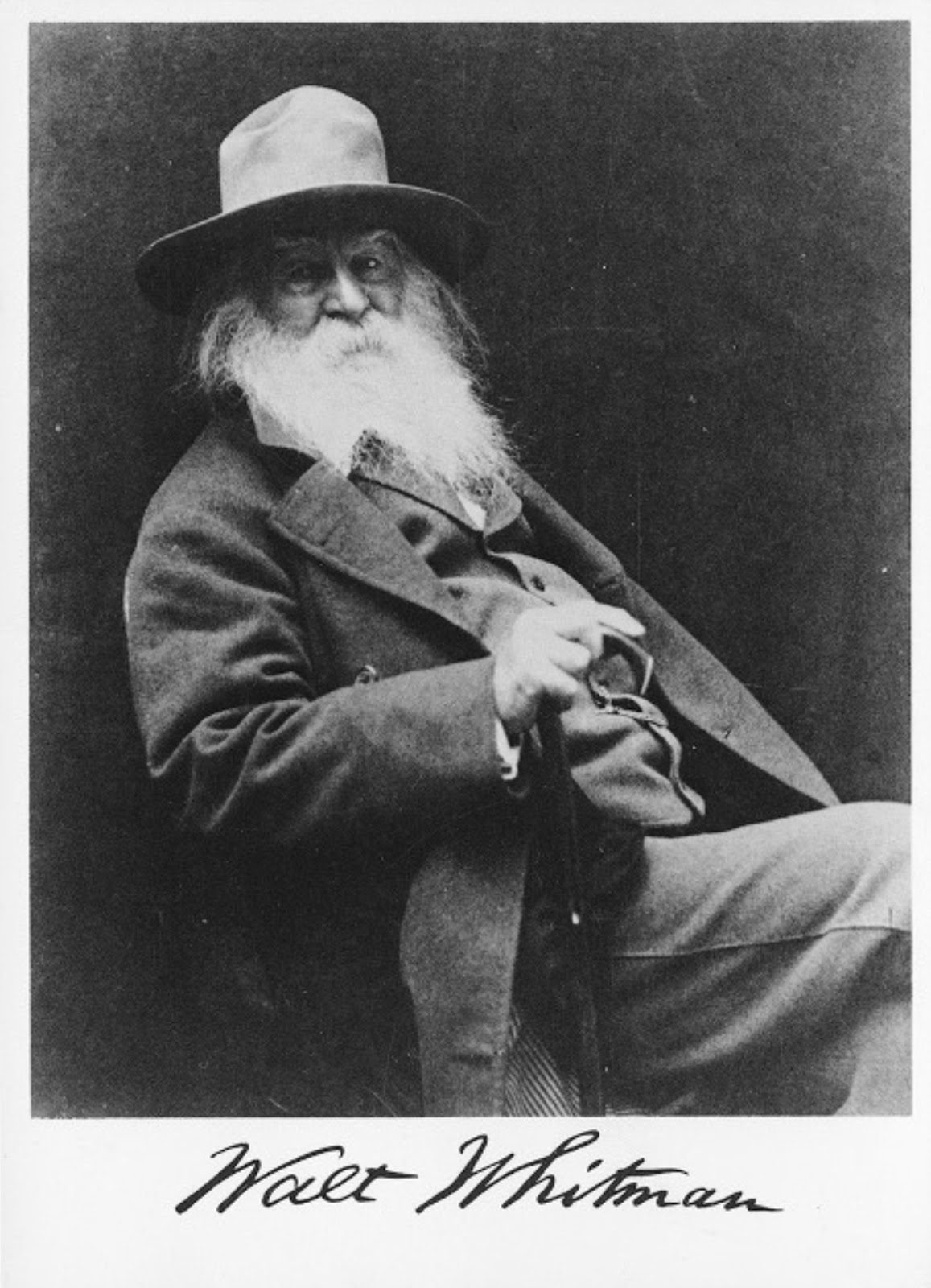
The author pursued his case. He published his own enthusiastic review. However, both critics and readers found Whitman’s style and subject very unpleasant. In the authoritative publication The Longman Anthology of Poetry, they wrote that during his lifetime he did not receive public recognition for his poems for several reasons: his openness about sex, his self-presentation as a rough working man and his stylistic innovations.
Care for the wounded
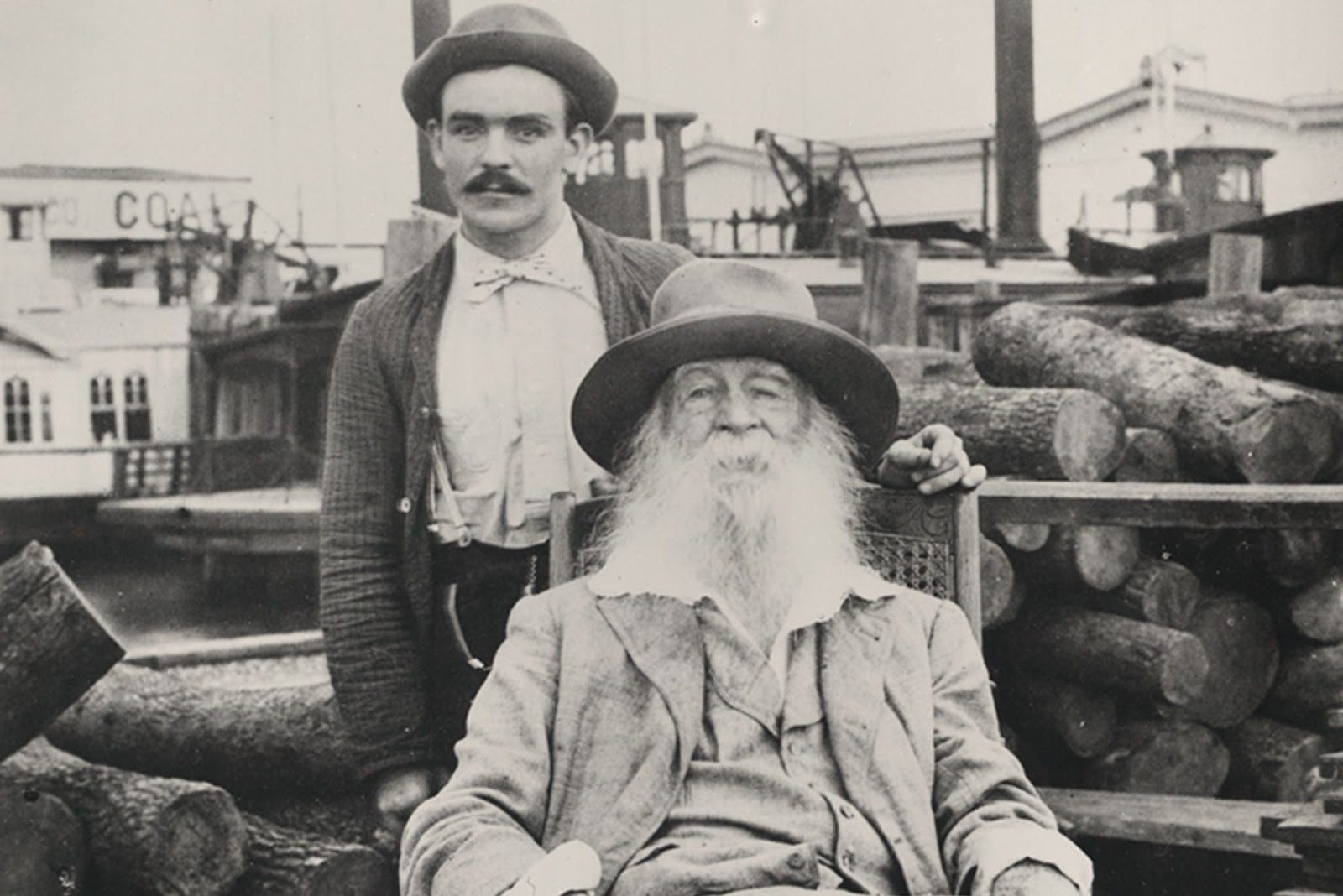
A poet who abandoned the regular meter and rhyming used by his contemporaries, was considered a man and poet who was influenced by the long cadences and rhetorical strategies of biblical poetry. After the publication, he was fired from the Ministry of Internal Affairs. It all turned out as follows. Whitman got a job as a clerk in the Ministry. When the secretary discovered that he was the author of this book, he fired the poet because he considered a poem offensive.
Despite the ambiguous and critical reception in the US, the poems were quite favorably received in England. The British writers who praised Whitman’s work were Dante Gabriel Rossetti and Algernon Charles Swinburne. In 1856, he released a second edition. It contained 33 poems, a letter from Emerson and his response. Throughout his life, he continued to improve his poetry.
At the beginning of the Civil War, he worked as an independent journalist, visiting the wounded in hospitals. In December 1862, he went to Washington, DC. His brother was wounded in the war and he wanted to take care of him. Depressed by the suffering observed, he decided to work in the hospitals. He stayed there for 11 years.
For most of his life, the poet tried to earn his living. In Washington, he lived on a clerk’s salary and modest fees, spending any excess money, including gifts from friends, on groceries for the patients he cared for. Other writers sometimes sent him money so that he would not be poor.
In the early 1870s, the poet settled in Camden, New Jersey, where he died in 1892.