

At the end of the nineteenth century, The Brooklyn Eagle described Coney Island as ‘the greatest sea resort in the world’. The newspaper claimed that compared to other resorts, there is much less crime here, which affects the resort’s attendance. Read about the history of the police in Coney Island on brooklyn1.one.
The Story of a Scottish Immigrant
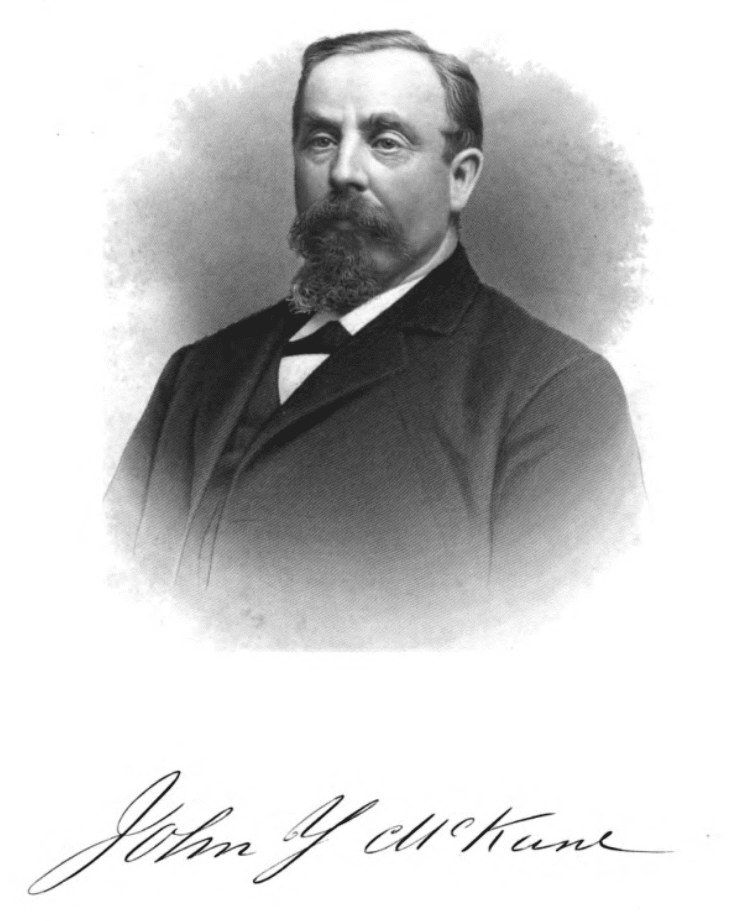
In 1871, Coney Island was administratively part of the town of Gravesend. Until 1881, it was protected by the police department of the city of Brooklyn. As in neighboring New York, local politics was a blood sport and corruption and bribery were rife. Mr. John Y. McKane, an immigrant of Scottish descent, moved to the US as a child. After his election as Mayor in 1869, he took control of the municipality and gained a reputation as a man who was both respected and feared. In 1879, citing the lack of any real police presence, John pushed legislation through the New York legislature to create one. The New Utrecht and Gravesend Police Bill was sponsored by Deputy Douglas. The departments were created shortly after its passage.
After that, McKane’s power in the city and on the island was absolute. The first thing he did after forming the Gravesend Police was to appoint both the Commissioner and the Chief of Police himself. The newspapers of that time wrote that if the law of the country and the will of the leader coincided, it was good, and if not, the worse for the law. By the way, it is known that the citizens loved this man and the environment that his empire created for the residents and workers of the island.
At the same time, he was the Town Supervisor and President of the Town Board and a few more Boards, Chairman of the Democratic and Republican parties and several Commissioners, etc.
The strong hand of the law
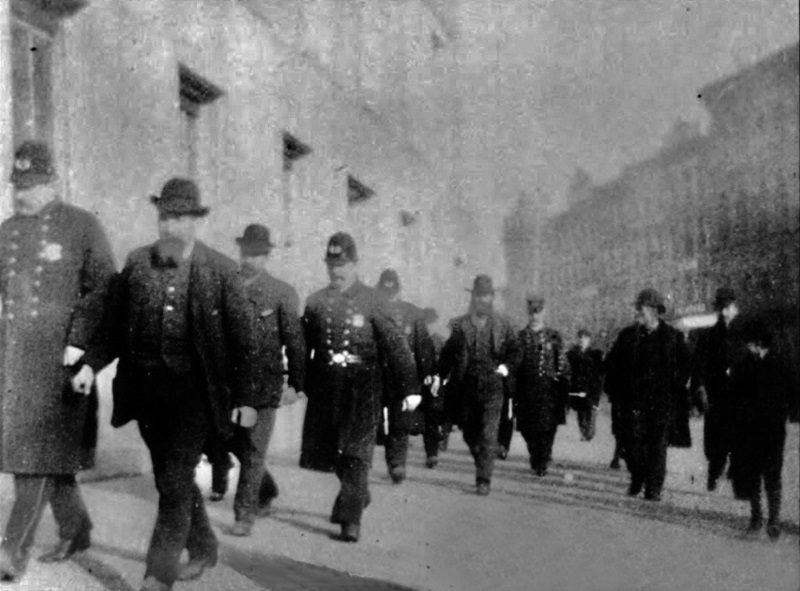
McKane’s police force was funded in part by fees he collected for licensing various entertainment locations, etc. The amount of contributions ranged from $50 to $250. If the contributions were paid, the boss would be grateful.
The local police headquarters was located in the two-story Aquarium Building located east of Vandeveer’s Hotel and the Plaza at West Brighton.
According to sources from 1880, all policemen employed by the various forces were sworn in as officers by the Gravesend authorities. Famous and capable hotel detectives who worked in large hotels were also involved. During the season at Coney Island, McKane had 150 police officers under his command, 20 of whom were regular city police who reported to him. The document describes him as having the ability to ‘extend the strong arm of the law to any form of lawlessness properly brought to his attention’. According to a newspaper article of 1882, this police force was known to be a peculiar body and its conduct was repeatedly criticized.
Absolute power
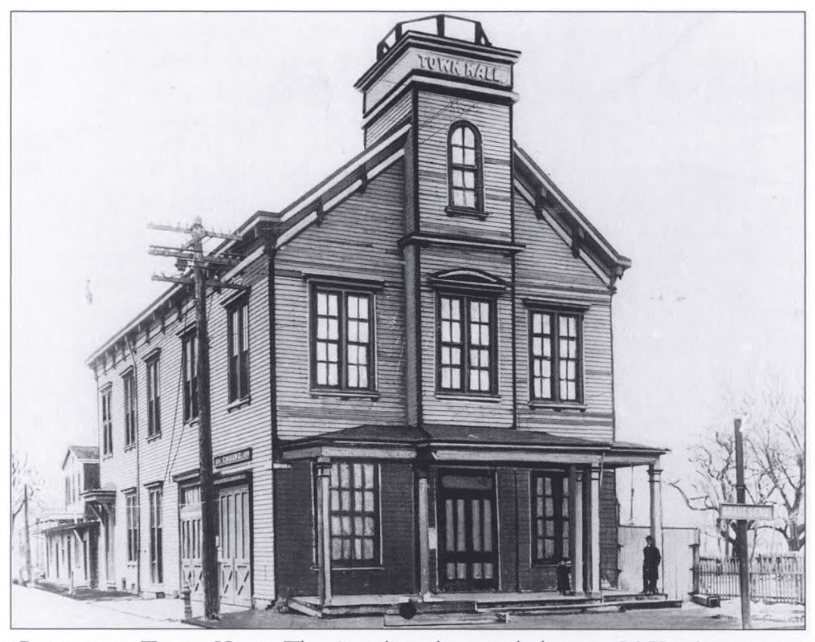
By 1887, McKane had complete control of Gravesend and the city’s police departments. Such political giants were supported by those who profited from them or feared them all over the US.
McKane was no different from other corrupt officials in the capital. He used all the power given to him and his influence on other representatives of the local government to become richer. The wealth attracted the attention of Charles A. Schieren, a candidate for mayor of Brooklyn, and William J. Gaynor, a candidate for New York State Supreme Court justice and later mayor of New York, who viewed him as a political threat. They quickly became political enemies.
As a result of this political battle, McKane was accused of election violations. This became public and the love of the voters changed to dislike for McKane. In addition, when official observers arrived on election day, McKane’s policemen beat them and they had to flee. He was sentenced to six years in prison.
After McKane was sent to Sing Sing State Penitentiary to serve his sentence, the towns of Flatbush and Gravesend were annexed by Brooklyn on May 6, 1894. The same fate awaited the local police. Due to McKane’s actions regarding licenses and permits, Brooklyn Police Commissioner Leonard N. Wells made it clear that any licenses, including liquor and shows, were revoked and had to be issued by the Mayor of Brooklyn. In addition, cases of corruption were exposed when the police headquarters could not even provide inventory lists or other records, etc. In January 1896, Gravesend police officers were added to the ranks of the Brooklyn Police with downgrading in rank.