

Coney Island is a peninsular entertainment district in the southwestern part of the Brooklyn borough. By the middle of the nineteenth century, it had developed into a coastal resort. As a result, by the end of the nineteenth century, amusement parks had been erected on this site. Attractions reached their historical peak in the first half of the twentieth century. However, following the Second World War, their popularity declined and several structures were dismantled after years of neglect. Find out more information at brooklyn1.one
Roller coaster
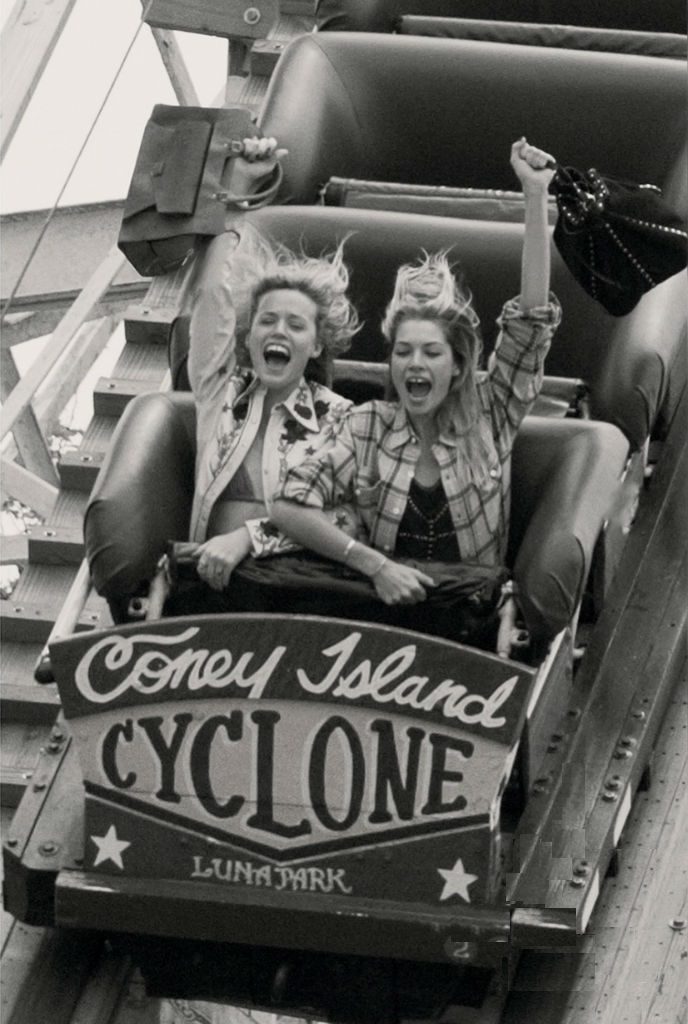
On June 16, 1884, the first roller coaster in the United States opened on Coney Island, Brooklyn, New York. This attraction, known as a switchback railway, was created by LaMarcus Thompson. The new entertainment was an immediate success, and by the turn of the century, hundreds of roller coasters had opened across the country.
The first hotel opened on Coney Island in 1829, and following the Civil War, the region became a popular tourist destination with theaters, restaurants and a racetrack. Between 1897 and 1904, three amusement parks opened on Coney Island: Dreamland, Luna Park and Steeplechase. In the 1920s, Coney Island became accessible by subway, and thousands of people gathered here during the summer to ride, play, go on excursions and visit the beach and the two-and-a-half-mile boardwalk, which was completed in 1923.
When the Great Depression and World War II hit, Americans had less money to spend on entertainment, which led to the decline of the roller coasters and amusement parks that had opened here at the time. Finally, in 1955, the opening of Disneyland in Anaheim, California, marked the emergence of a modern theme park and the revival of roller coasters. Disneyland’s popularity spurred a surge of new theme parks. Until the 1970s, parks competed to build the most impressive attractions.
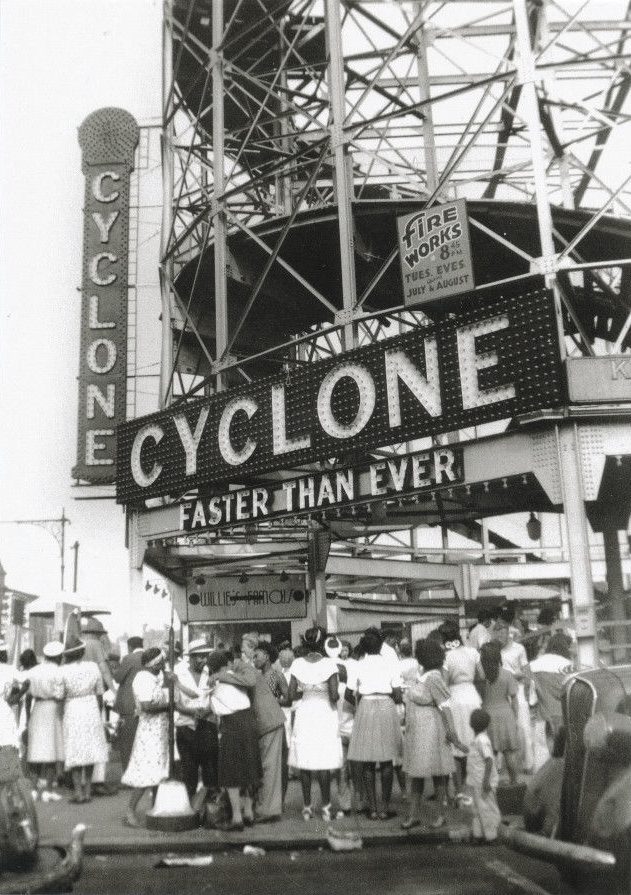
By the mid-1960s, major amusement parks on Coney Island were closed, and the region had developed an abandoned look. However, it has been renovated in recent decades and remains a popular tourist destination. It still features the Cyclone coaster, which ranks first on all rankings of the world’s best roller coasters, and it’s simple to understand why. The 2,640-foot track is sure to impress anyone, particularly the breathtaking 85-foot drop. By the way, the Cyclone made its debut in 1927. It is one of the oldest attractions in the country.
Steeplechase Park
Steeplechase Park was founded in 1897 by entrepreneur George C. Tilyou. It was the first of three major amusement parks in Coney Island. The park’s name comes from its main attraction, a 1,100-foot-long steel track where guests may race each other on mechanical horses. The park also featured a Ferris wheel, a space ride named A Trip To The Moon and a miniature railway. While Tilyou aimed to make Steeplechase a family attraction, as opposed to the more dangerous entertainment on Coney Island, some of his rides still were very dangerous by Victorian standards.
Rides, such as Whichway and Human Pool Table, pushed strangers at each other and gave couples a reason to have some fun. In the extremely popular Blowhole Theatre, guests could watch as the wind from the vents lifted the skirts of unsuspecting young ladies. While the women attempted to cover up, the clown stunned their cavaliers with a wire rope. In 1907, a fire destroyed most of Tilyou’s park. But the businessman was not discouraged, he began charging people a ten-cent ticket to see the burnt ruins of the original park.
Luna Park in Coney Island
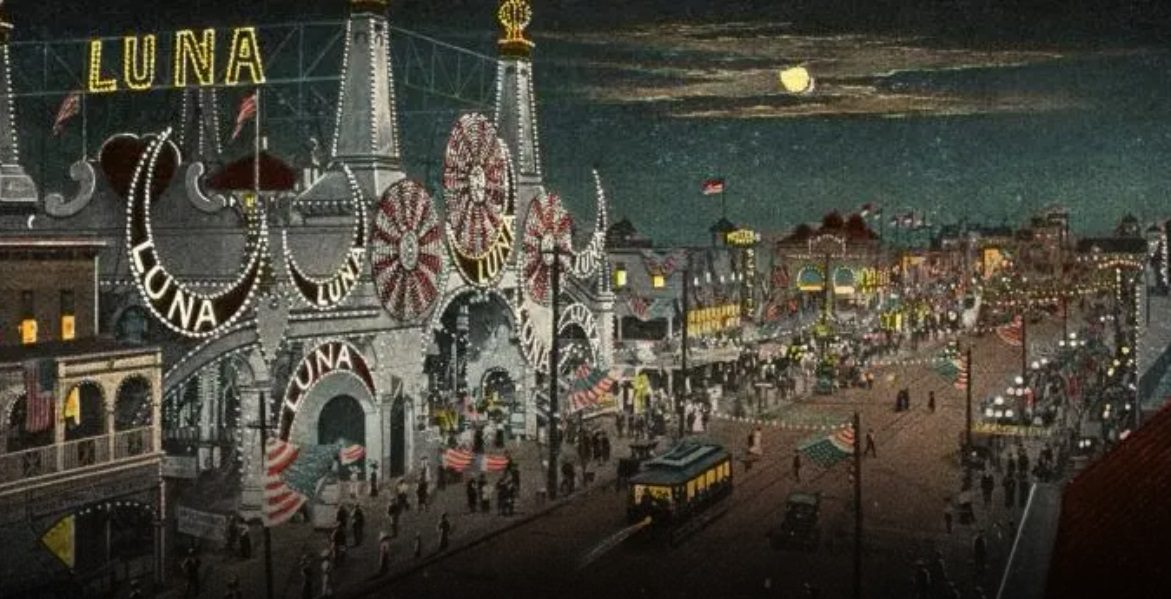
Coney Island’s Luna Park was created in 1903 by theme park tycoons Frederic Thompson and Skip Dundy. It was a dazzling complex of towers and domed buildings illuminated by a spectacular show of 250,000 light bulbs. The park specialized in highly conceptual rides that transported visitors to locations ranging from 20,000 leagues underwater to the North Pole and even the surface of the Moon. A trip to the Moon could be an alternative to a round-the-world expedition. Following the elephant ride, guests could wander through the replicated streets of Delhi, which were filled with dancing girls and costumed performers (many of whom were actually brought from India), or take a tour of Italy, Japan or Ireland.
When tourists were tired of walking, they could sit in the stands and watch the War of the Worlds. It was a small pyrotechnic naval combat in which the American Navy defeated a European invasion fleet. The park’s proprietors also took advantage of the popularity of the rides by recreating the destruction of Pompeii and the Galveston flood of 1900. The carnage depicted in these rides became all too real in 1944 when Luna Park was destroyed by a real fire that began in one of the bathrooms. A few years after this fire, the original attraction was closed for good. Although, dozens of amusement parks throughout the world still use the iconic name “Luna Park”.