

It’s difficult to imagine your childhood without a library. Whether you live in a big or small city, the library has always been a place to explore new worlds. Furthermore, the library provides people with assistance and services, such as free computer and Internet access, employment services and general and historical knowledge. However, this was not always the case. Find out more information about the founding of the Central Library at brooklyn1.one
History of Brooklyn libraries
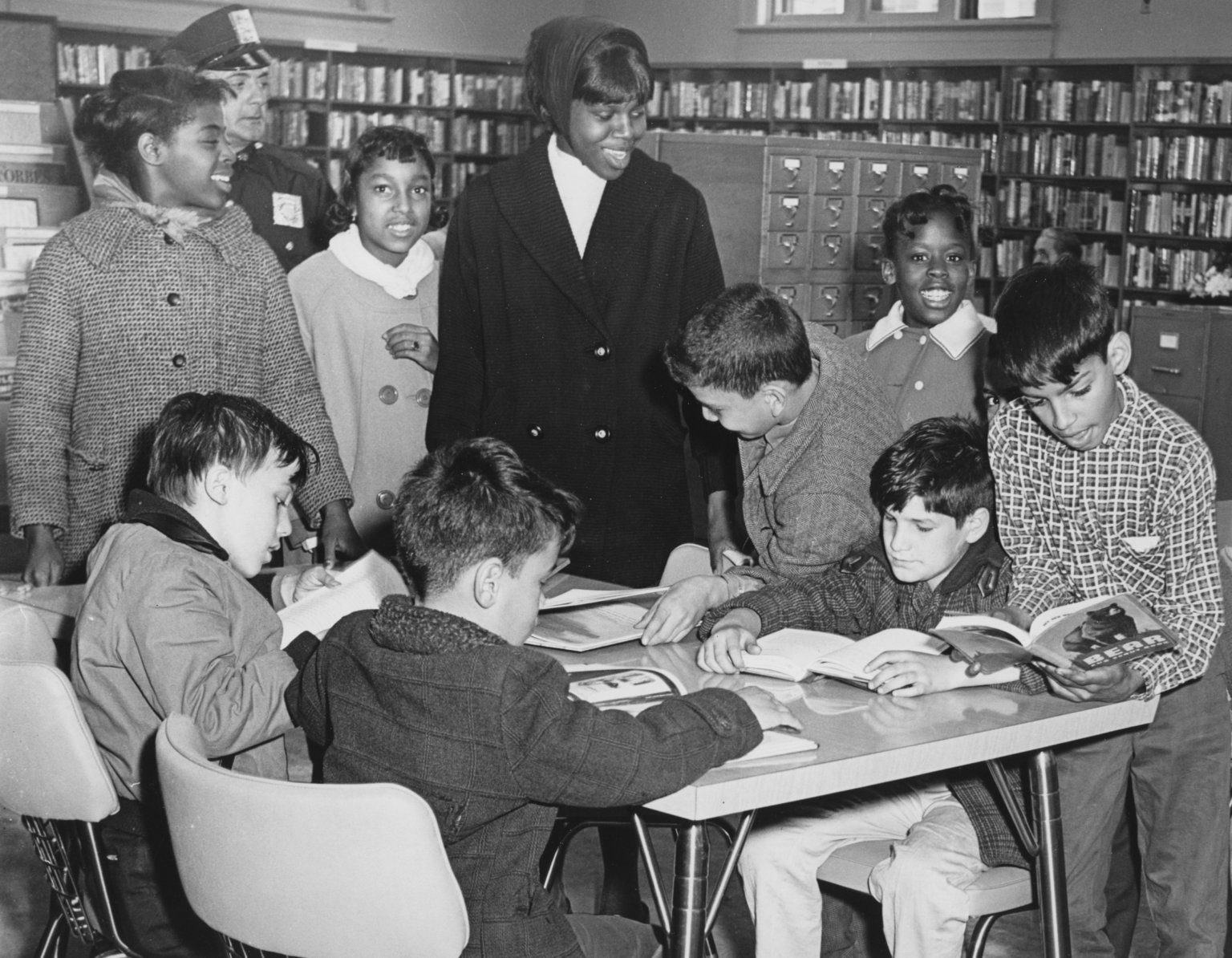
The Brooklyn Library system is over 125 years old. Although collections of books and reading materials were gathered for use even earlier, they were not accessible to everyone. The Brooklyn Apprentices’ Library was founded in 1824 by manufacturer and philanthropist Augustus Graham. It was one of Brooklyn’s first libraries, providing male subscribers with access to books, maps and other literature that would aid in the self-education of a new generation of employees. The library’s initial permanent location was at the corner of Cranberry and Henry Streets, where General Lafayette himself laid the cornerstone. As the institution grew, it evolved into the Brooklyn Institute of Arts and Sciences, which later became the Brooklyn Museum.
The Brooklyn Athenaeum was established in 1852 by notable Brooklyn Heights residents. A variety of literary works were available for young men to read at the library located in the hall on Atlantic Avenue. The Brooklyn Mercantile Library Association was created in 1857 to offer young people access to a private collection of business, commercial, scientific and mathematical works.
Later, Pratt Institute established Brooklyn’s first free library, which was open to both men and women, regardless of race. The first library for children was also established here. Charles Pratt himself received self-education in libraries and wanted to give this possibility to as many people as possible. The Pratt Institute Library was opened in 1888.
Demand for more libraries
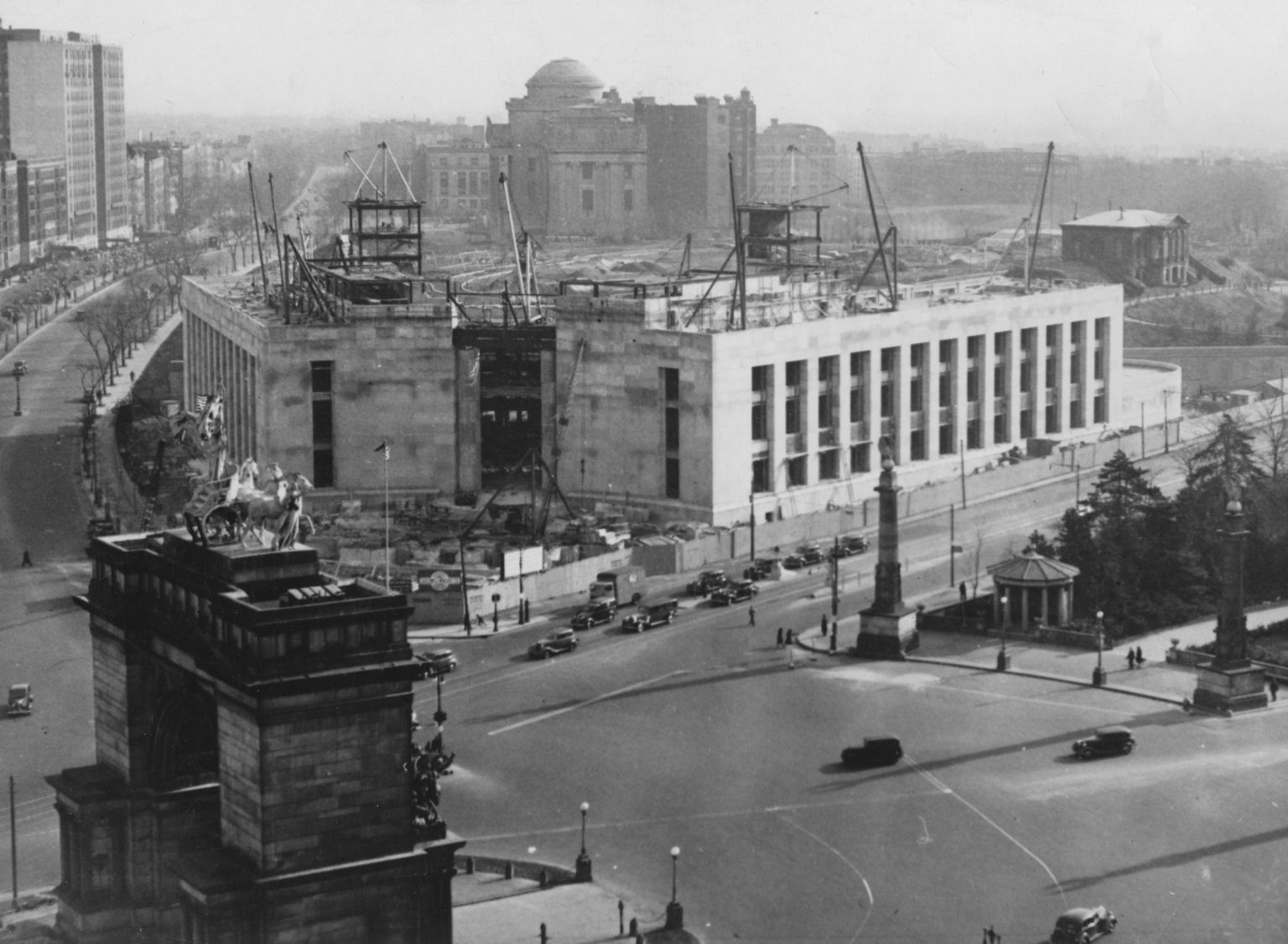
However, there was a great need for more libraries. Then the Brooklyn Public Library system was created. Libraries have sprung up throughout the city thanks to its support. In 1892, the collections of the Athenaeum and the Mercantile Library were combined and prepared to become the Brooklyn Central Library. When Brooklyn joined Greater New York in 1898, the library was one of the few institutions that remained independent.
The classic Beaux-Arts marble building with a massive central dome, an entrance at the top, and colonnades extending down East Boulevard and Flatbush Avenue was designed by the Almirall company. This structure was intended to complement the McKim, Mead & White museum across the street, as well as the arch in Grand Army Plaza and the classical Prospect Park entrance.
Plans for the construction included reading rooms equipped with the newest advances in library science, classrooms, music rooms, an auditorium, a children’s library, research and rare book rooms, dining areas, miles of stacks, and an underground garage with book elevators and book conveyor belts for book transportation. The back sorting rooms were to be equipped with cart tracks for transporting books. There were even layouts of rooms to be utilized for cataloging, restoration and renovation. The new library was also meant to include an emergency care station, a newspaper hall, a telephone and a stenographer. The estimated cost of the new building was $4.81 million.
The library’s foundation stone was laid in 1912, and by 1913, it had been dug out and poured, and a portion of the west wall along Flatbush Avenue had been constructed. Then the money ran out, and the work ceased. Funding for the construction of the Central Library was mired in politics, budget cuts and official’s incompetence.
The Brooklyn Central Library
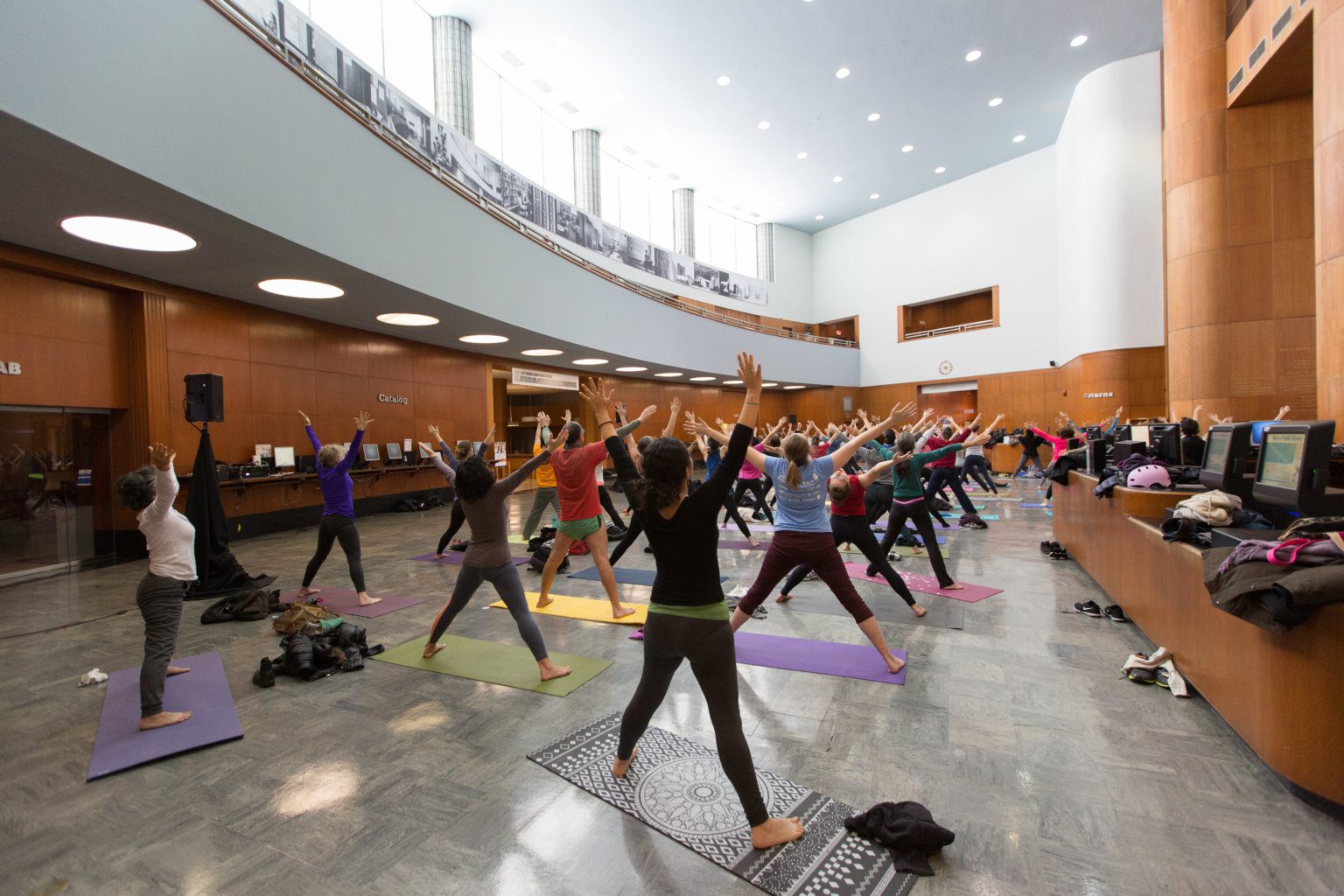
In the 1930s, Beaux-Arts architecture went out of fashion, while Art Deco and Modernism gained popularity. However, since the Flatbush wall and building outline were already done, the new project’s architects, Alfred M. Githens and Francis Keally had to work with the existing Almirall layout. They created an elegant, modern, classic building. The marble sheathing of the Flatbush Avenue wall was removed, and the entrance was remodeled to welcome visitors.
The ornament clearly demonstrated the admiration for Art Deco-Modern architecture. The reliefs on both sides of the door were designed by Carl Paul Jennewein, and the bronze screen was created by Thomas Hudson Jones. Quotes about the pursuit of knowledge invite the readers to the library.
Many of the amenities and features that Raymond Almirall envisioned for his Central Library have been realized. When the library opened with great fanfare in 1941, guests were welcomed in one of New York’s modernist rooms, which was magnificent. Since then, the library has been highly popular in Brooklyn and frequently visited.