

Surrounding us are millions of bacteria, viruses, and microorganisms that we cannot see or feel, yet many of them pose serious threats to human life. Some are even capable of destroying the immune system. One of the world’s most renowned immunologists and infectious disease experts, Anthony Fauci, hails from Brooklyn. What contributions has he made to humanity? Read more at brooklyn1.one.
Between Religion and Science
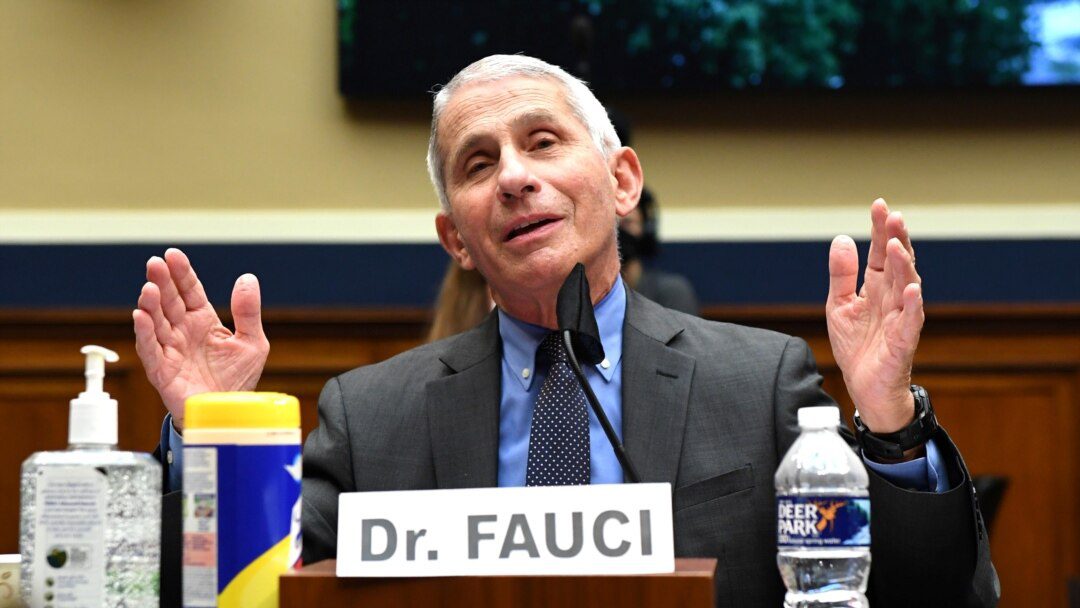
Fauci was born in 1940 to an Italian-American pharmacist. His parents tried to instill a strong Catholic faith in their children. His sister attended a Jesuit school, while Fauci pursued his education at the College of the Holy Cross in Worcester, Massachusetts.
Fauci later studied medicine at Cornell University, where he graduated top of his class in 1966. Cornell is one of the most prestigious universities in the U.S., as part of the Ivy League, making its diploma highly respected. After medical school, Fauci completed his internship at Cornell’s medical center, but he did not remain a practicing physician. Instead, he found himself far more fascinated by the study of infectious diseases.
In 1968, Fauci joined the National Institutes of Health (NIH), where he specialized in allergic and infectious diseases. His career flourished at the NIH, and in 1980, he became head of the Laboratory of Immunoregulation.
HIV and Ebola Research
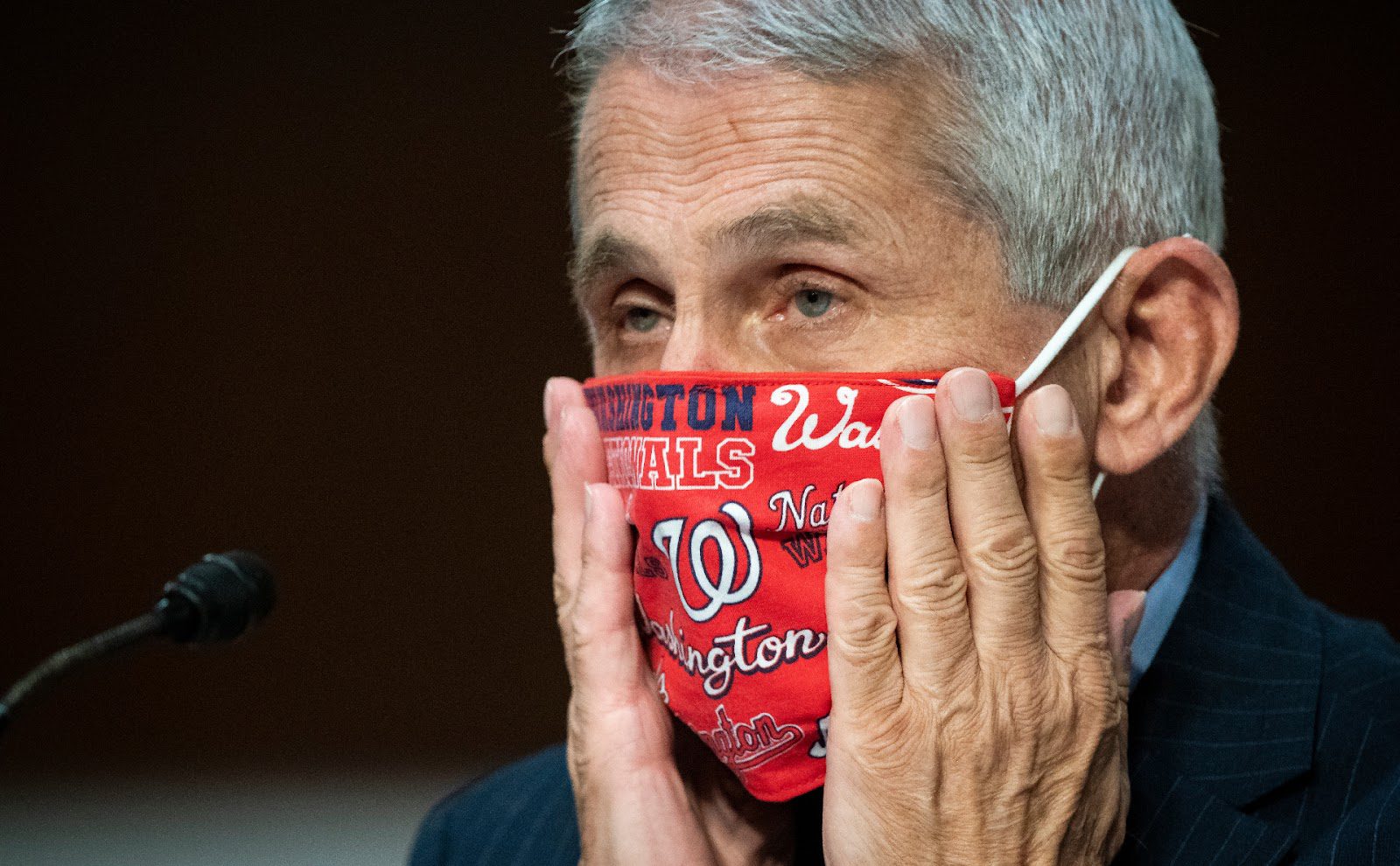
During the 1980s, the U.S. faced a massive HIV/AIDS epidemic. It was the first time that the world encountered such a deadly and poorly understood virus. Fauci’s research on HIV and immune response gained him widespread recognition in the biomedical community.
His work on HIV treatment sparked mixed reactions in society. While there is still no definitive cure for HIV/AIDS today, it was Fauci and his team who helped develop the mechanisms for managing the disease, improving the life expectancy of patients. For his contributions, he was awarded Elton John’s AIDS Foundation Prize.
Fauci’s HIV research led to his appointment as a presidential advisor on epidemiology. He frequently testified before Congress on HIV-related matters. Initially, the U.S. government ignored the disease, dismissing it as a problem affecting only Black and LGBTQ+ communities. Fauci played a key role in shifting public perception and encouraging government intervention.
Another critical infectious disease Fauci researched was Ebola. In 2014, a deadly Ebola outbreak struck West Africa, raising global concerns, especially in the United States. Authorities in three U.S. states, including New York, imposed a three-week quarantine for travelers arriving from Africa.
Fauci believed that the best way to protect Americans was to contain the virus in Africa through medical assistance. He led a scientific team working on an Ebola vaccine, which had successful animal trials by 2015. However, full approval was delayed due to the challenges of human testing. Fauci even personally oversaw the treatment of Nina Pham, a nurse who contracted Ebola in 2015.
The Vaccine Controversies
In 2020, when COVID-19 began devastating the U.S., the public demanded a vaccine and effective treatment. During the presidential election campaign, Donald Trump strongly advocated for rapid vaccinations.
However, Fauci took a cautious approach, urging pharmaceutical companies and the government to avoid rushing the vaccine. He insisted that vaccines must be thoroughly tested not just for efficacy but also for safety.
Once safe vaccines became available, Fauci became a strong advocate for mass vaccination. He criticized vaccine hesitancy, emphasizing that people should trust scientific research over personal fears and misinformation.
Fauci later linked the rise of vaccine skepticism to the reappearance of previously eradicated diseases such as smallpox. He warned that public distrust in medical science could lead to new outbreaks of preventable illnesses.
A Legacy of Public Service
In 2022, after decades of service, Anthony Fauci retired. He served as a virology advisor to seven U.S. presidents, shaping America’s response to global health crises.
Even in retirement, Fauci’s work continues to influence public health policies worldwide, ensuring that scientific research remains at the forefront of the fight against infectious diseases.