

Elizabeth Moore was the daughter of wealthy cotton broker George Edward Moore. She became a well-known figure at the US Championships. From 1892 to 1905, she competed in eight US National Championships, winning four titles. In addition, she won two US National Championships in women’s doubles, in 1896 and 1903, with two additional trophies in mixed doubles in 1902 and 1904. Her eight singles finals was a US record until it was broken by the legendary Molla Mallory. Read more about the life of the Brooklyn native and her sports achievements on the tennis courts of the beginning of the 20th century on brooklyn1.one.
Tennis and the white pony
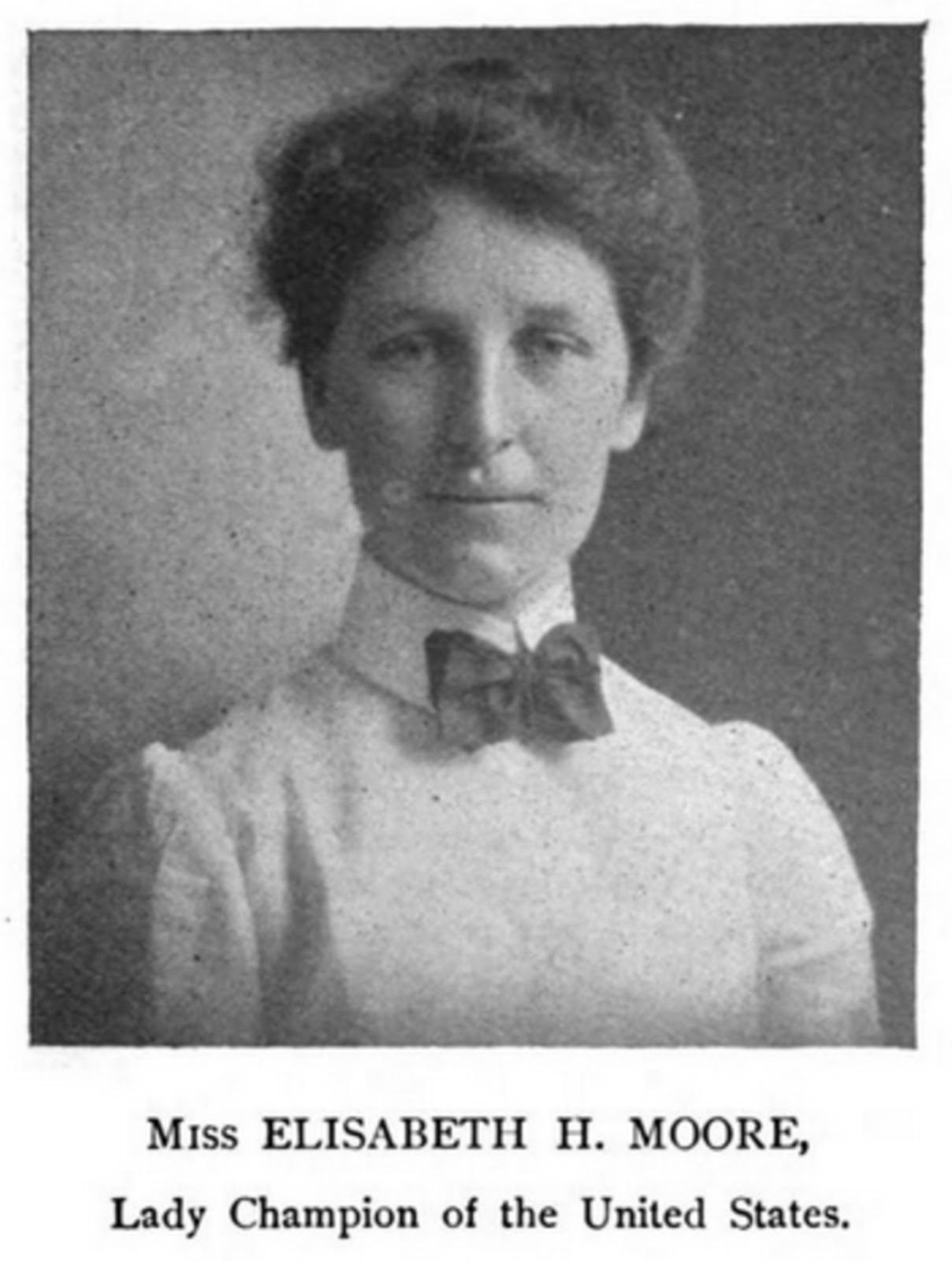
Elizabeth Moore was born in Brooklyn on March 5, 1876. Her mother was Sarah Z. Orr. Given the financial position of her father George Edward Moore, she had a very comfortable childhood in Ridgewood. One of her pastimes, besides tennis, was a white pony that she rode around. The girl also took part in local social life, as her family’s popularity led Elizabeth to attend lavish charity events, weddings and birthday parties hosted by other wealthy families.
Tennis appeared in Moore’s life when she was 12 years old. Her father was the president of the Ho-Ho-Kus Valley Tennis Club. Therefore, he encouraged the girl to play and compete with her peers. Elizabeth played quite well. She won the club’s women’s singles championship in 1890. She was 14 years old at that time. The next year, she began to participate in more significant tournaments, going beyond the borders of New Jersey.
In 1892, at the age of 16, Moore began her path to the top of American tennis. She became the youngest woman to reach the final of the United States National Championships in Philadelphia. Despite the fact that she lost in five sets to Irish Mabel Cahill that year, her achievement as the youngest finalist in these competitions remained among the records for a long time. Only in 1978, Pam Shriver also reached the final, being a month younger than Moore.
Path to the top of tennis
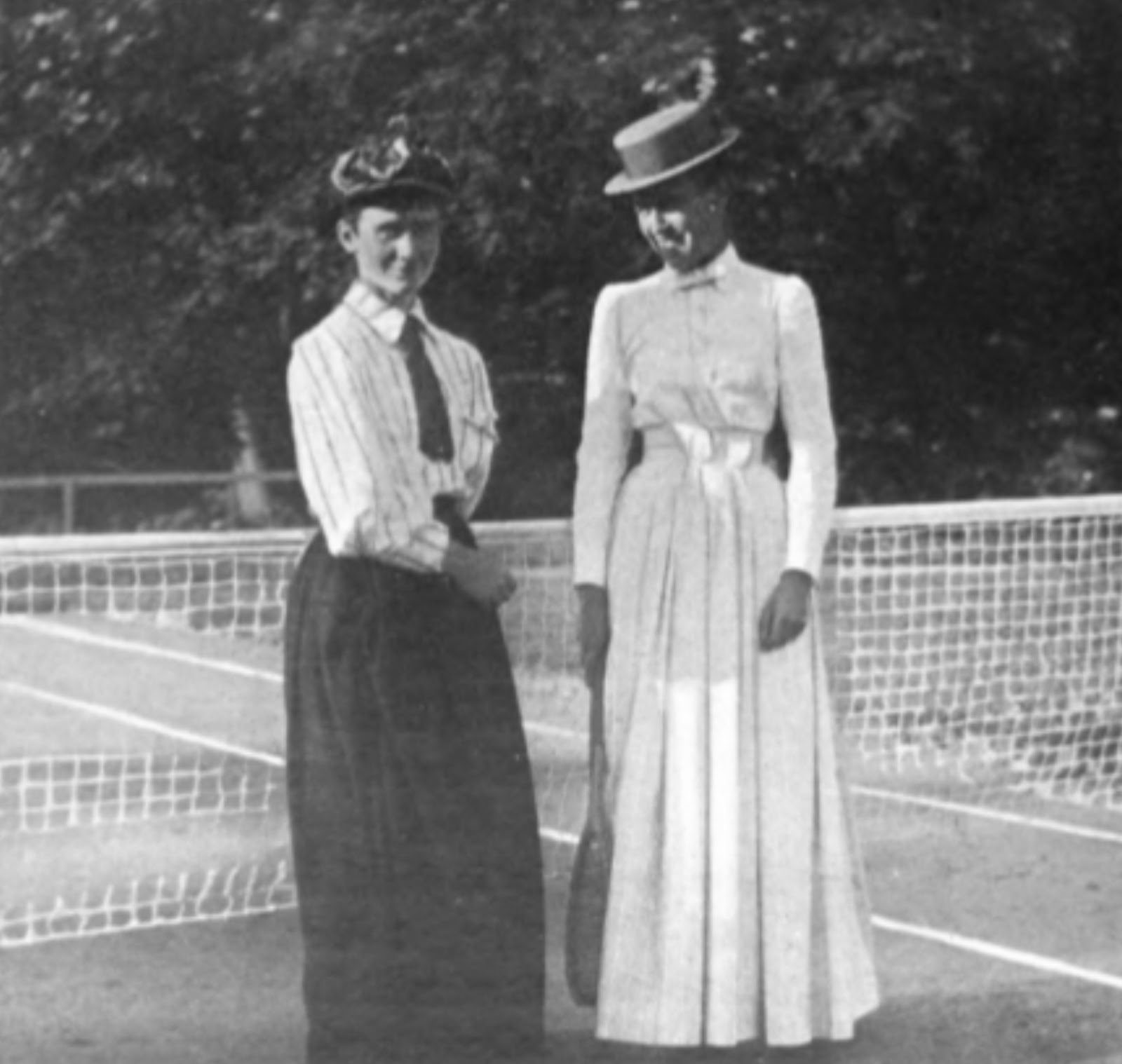
Despite these achievements, Moore’s style of play was far from ideal and the pure power, speed and aggression that can be seen in the style of tennis players such as Coco Gauff or Iga Swiatek. She dominated at a time when the tempo of the game was quite slow, reminiscent of a leisurely game of badminton or pickleball. According to her profile in the International Tennis Hall of Fame, Moore neither possessed a powerful stroke nor was particularly fast on the court. She played at a slow pace and used predictability, accuracy and discretion in her strokes.
Her forehand and backhand did not differ from each other. She often played both right-handed and left-handed, although she preferred to play right-handed when competing in tournaments. It is interesting that the athlete alternated performances in the final and the championship, never winning twice in a row. In her first final in 1892, Mabel Cahill beat her in five sets. By the way, it was the first five-set match played by women. For the next ten years, all of Elizabeth Moore’s opponents were American and the pattern of losing in the final and winning the championship the following year continued.
She traded wins and losses against Juliette Atkinson to win her first title in 1896. Then, she lost to Atkinson the following year in five sets. This trend continued against Marion Jones in 1902 and 1903. Moore’s longevity between finals, namely from 1892 to 1905, is also a US record. In the late 19th and early 20th centuries, few female players achieved as much success as she did.
Four-time US champion
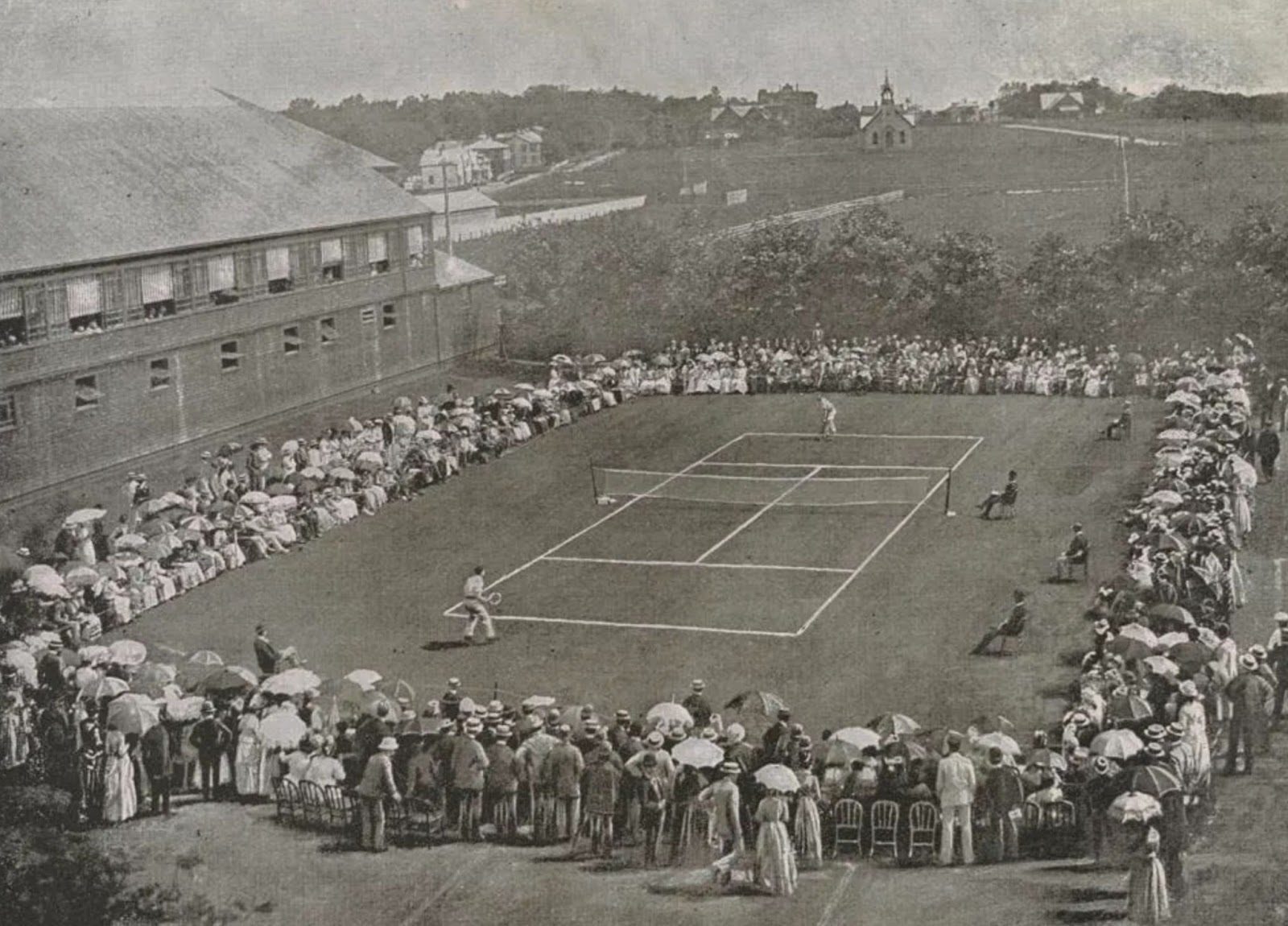
Elizabeth ‘Bessie’ Holmes Moore was the first tennis player to win the United States Women’s Singles Championship four times, in 1896, 1901, 1903, and 1905. Only four players in the history of tennis have surpassed this mark. Moore’s professional success led to her posthumous election to the International Tennis Hall of Fame in 1971. On the plaques of this venerable organization, she is described as a little girl from New Jersey, 16-year-old Bessie Moore of Ridgewood, who was a rookie at the 1892 US National Tennis Championships.
She performed at the annual women’s tournament in Philadelphia in June and surprised the audience, defeating many experienced tennis players. However, the native of Brooklyn won not only in single competitions. She won the US doubles championship in 1896 with Juliette Atkinson, the 1903 crown with Carrie B. Neely and the US mixed doubles in 1902 and 1904, both with Wylie Cameron Grant. In 1907, Moore won the first U.S. women’s indoor singles championship and the first U.S. doubles title with Helena Hellwig Pouch in 1908. Moore became the first prominent American tennis player to compete abroad, playing in the Irish Championships in Dublin in 1898.
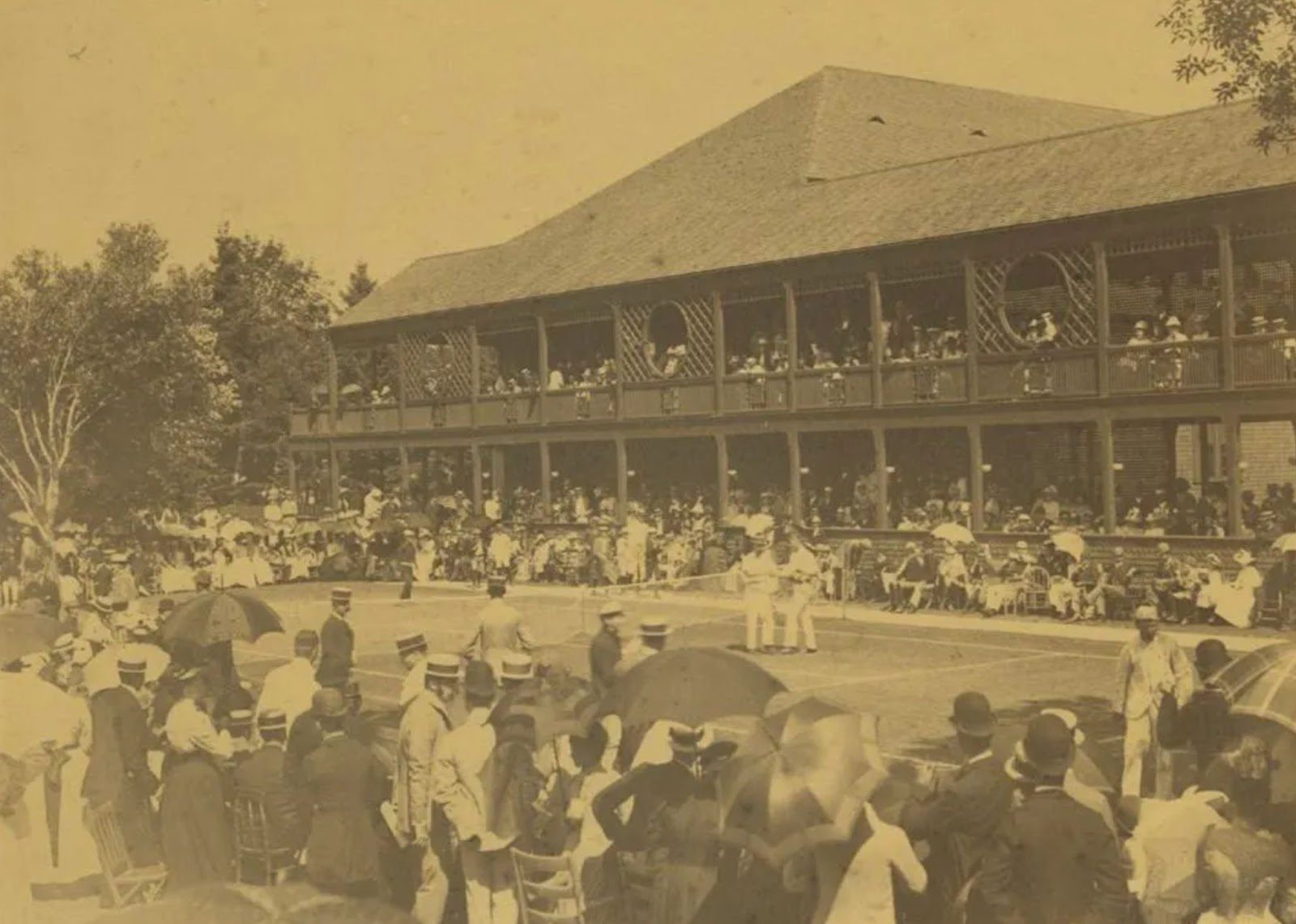
Elizabeth Moore also became responsible for changing the format of women’s professional tennis matches. In the process of winning her second US National Championship in 1901, Elizabeth played two grueling five-set matches back-to-back over two consecutive days to win the title. A Kansas City Star article that year covering the final match of the tournament noted that the weather was extremely hot and both players were exhausted when the match ended. Her opponent, Marion Jones, almost passed out.
In response to this and the anger of many women in tennis, including Moore, the all-male US Tennis Association changed the format of the women’s game. They reduced the match length from the men’s best-of-five format to a best-of-three one. It is still used in women’s professional tennis.
Tournament named after Elizabeth Moore

Moore played in minor tournaments until the age of 40 and died of congestive heart failure at the age of 82 on January 22, 1959 in Stark, Florida. The death of the woman whose great achievements spurred the development of women’s tennis came nine years before the start of the ‘open era’. Then, major tennis tournaments such as Roland-Garros and Wimbledon allowed professionals to compete. She also died 14 years before the creation of the Women’s Tennis Association, an organization responsible for the development of women’s tennis and ensuring equal prize money for men and women in tournaments.
The International Tennis Hall of Fame in Newport, Rhode Island honoured her posthumously in 1971. They cemented the legacy of Elizabeth ‘Bessie’ Moore for many generations of tennis players and enthusiasts of the sport.
In the city of Sarasota, Florida, a professional men’s tennis tournament has been held since 2009. Matches take place at the Payne Park Tennis Center. They include both singles and doubles competitions. Players from all over the world come here to earn valuable rating points and good prize money. In addition to the tournament, there is a charity auction benefiting the Boys & Girls Clubs of Sarasota and DeSoto counties. It is very eloquent that this tournament was named Elizabeth Moore Sarasota Open.
Elizabeth Moore was the daughter of wealthy cotton broker George Edward Moore. She became a well-known figure at the US Championships. From 1892 to 1905, she competed in eight US National Championships, winning four titles. In addition, she won two US National Championships in women’s doubles, in 1896 and 1903, with two additional trophies in mixed doubles in 1902 and 1904. Her eight singles finals was a US record until it was broken by the legendary Molla Mallory. Read more about the life of the Brooklyn native and her sports achievements on the tennis courts of the beginning of the 20th century on brooklyn1.one.
Tennis and the white pony
Elizabeth Moore was born in Brooklyn on March 5, 1876. Her mother was Sarah Z. Orr. Given the financial position of her father George Edward Moore, she had a very comfortable childhood in Ridgewood. One of her pastimes, besides tennis, was a white pony that she rode around. The girl also took part in local social life, as her family’s popularity led Elizabeth to attend lavish charity events, weddings and birthday parties hosted by other wealthy families.
Tennis appeared in Moore’s life when she was 12 years old. Her father was the president of the Ho-Ho-Kus Valley Tennis Club. Therefore, he encouraged the girl to play and compete with her peers. Elizabeth played quite well. She won the club’s women’s singles championship in 1890. She was 14 years old at that time. The next year, she began to participate in more significant tournaments, going beyond the borders of New Jersey.
In 1892, at the age of 16, Moore began her path to the top of American tennis. She became the youngest woman to reach the final of the United States National Championships in Philadelphia. Despite the fact that she lost in five sets to Irish Mabel Cahill that year, her achievement as the youngest finalist in these competitions remained among the records for a long time. Only in 1978, Pam Shriver also reached the final, being a month younger than Moore.
Path to the top of tennis
Despite these achievements, Moore’s style of play was far from ideal and the pure power, speed and aggression that can be seen in the style of tennis players such as Coco Gauff or Iga Swiatek. She dominated at a time when the tempo of the game was quite slow, reminiscent of a leisurely game of badminton or pickleball. According to her profile in the International Tennis Hall of Fame, Moore neither possessed a powerful stroke nor was particularly fast on the court. She played at a slow pace and used predictability, accuracy and discretion in her strokes.
Her forehand and backhand did not differ from each other. She often played both right-handed and left-handed, although she preferred to play right-handed when competing in tournaments. It is interesting that the athlete alternated performances in the final and the championship, never winning twice in a row. In her first final in 1892, Mabel Cahill beat her in five sets. By the way, it was the first five-set match played by women. For the next ten years, all of Elizabeth Moore’s opponents were American and the pattern of losing in the final and winning the championship the following year continued.
She traded wins and losses against Juliette Atkinson to win her first title in 1896. Then, she lost to Atkinson the following year in five sets. This trend continued against Marion Jones in 1902 and 1903. Moore’s longevity between finals, namely from 1892 to 1905, is also a US record. In the late 19th and early 20th centuries, few female players achieved as much success as she did.
Four-time US champion
Elizabeth ‘Bessie’ Holmes Moore was the first tennis player to win the United States Women’s Singles Championship four times, in 1896, 1901, 1903, and 1905. Only four players in the history of tennis have surpassed this mark. Moore’s professional success led to her posthumous election to the International Tennis Hall of Fame in 1971. On the plaques of this venerable organization, she is described as a little girl from New Jersey, 16-year-old Bessie Moore of Ridgewood, who was a rookie at the 1892 US National Tennis Championships.
She performed at the annual women’s tournament in Philadelphia in June and surprised the audience, defeating many experienced tennis players. However, the native of Brooklyn won not only in single competitions. She won the US doubles championship in 1896 with Juliette Atkinson, the 1903 crown with Carrie B. Neely and the US mixed doubles in 1902 and 1904, both with Wylie Cameron Grant. In 1907, Moore won the first U.S. women’s indoor singles championship and the first U.S. doubles title with Helena Hellwig Pouch in 1908. Moore became the first prominent American tennis player to compete abroad, playing in the Irish Championships in Dublin in 1898.
Elizabeth Moore also became responsible for changing the format of women’s professional tennis matches. In the process of winning her second US National Championship in 1901, Elizabeth played two grueling five-set matches back-to-back over two consecutive days to win the title. A Kansas City Star article that year covering the final match of the tournament noted that the weather was extremely hot and both players were exhausted when the match ended. Her opponent, Marion Jones, almost passed out.
In response to this and the anger of many women in tennis, including Moore, the all-male US Tennis Association changed the format of the women’s game. They reduced the match length from the men’s best-of-five format to a best-of-three one. It is still used in women’s professional tennis.
Tournament named after Elizabeth Moore
Moore played in minor tournaments until the age of 40 and died of congestive heart failure at the age of 82 on January 22, 1959 in Stark, Florida. The death of the woman whose great achievements spurred the development of women’s tennis came nine years before the start of the ‘open era’. Then, major tennis tournaments such as Roland-Garros and Wimbledon allowed professionals to compete. She also died 14 years before the creation of the Women’s Tennis Association, an organization responsible for the development of women’s tennis and ensuring equal prize money for men and women in tournaments.
The International Tennis Hall of Fame in Newport, Rhode Island honoured her posthumously in 1971. They cemented the legacy of Elizabeth ‘Bessie’ Moore for many generations of tennis players and enthusiasts of the sport.
In the city of Sarasota, Florida, a professional men’s tennis tournament has been held since 2009. Matches take place at the Payne Park Tennis Center. They include both singles and doubles competitions. Players from all over the world come here to earn valuable rating points and good prize money. In addition to the tournament, there is a charity auction benefiting the Boys & Girls Clubs of Sarasota and DeSoto counties. It is very eloquent that this tournament was named Elizabeth Moore Sarasota Open.