

Isaac Van Anden founded The Brooklyn Eagle and Kings County Democrat. The project started as a morning paper committed to the Democratic beliefs. It was published on October 26, 1841 for the first time. Read more about the creation of Brooklyn’s first newspaper and its work on brooklyn1.one.
Creation of the project
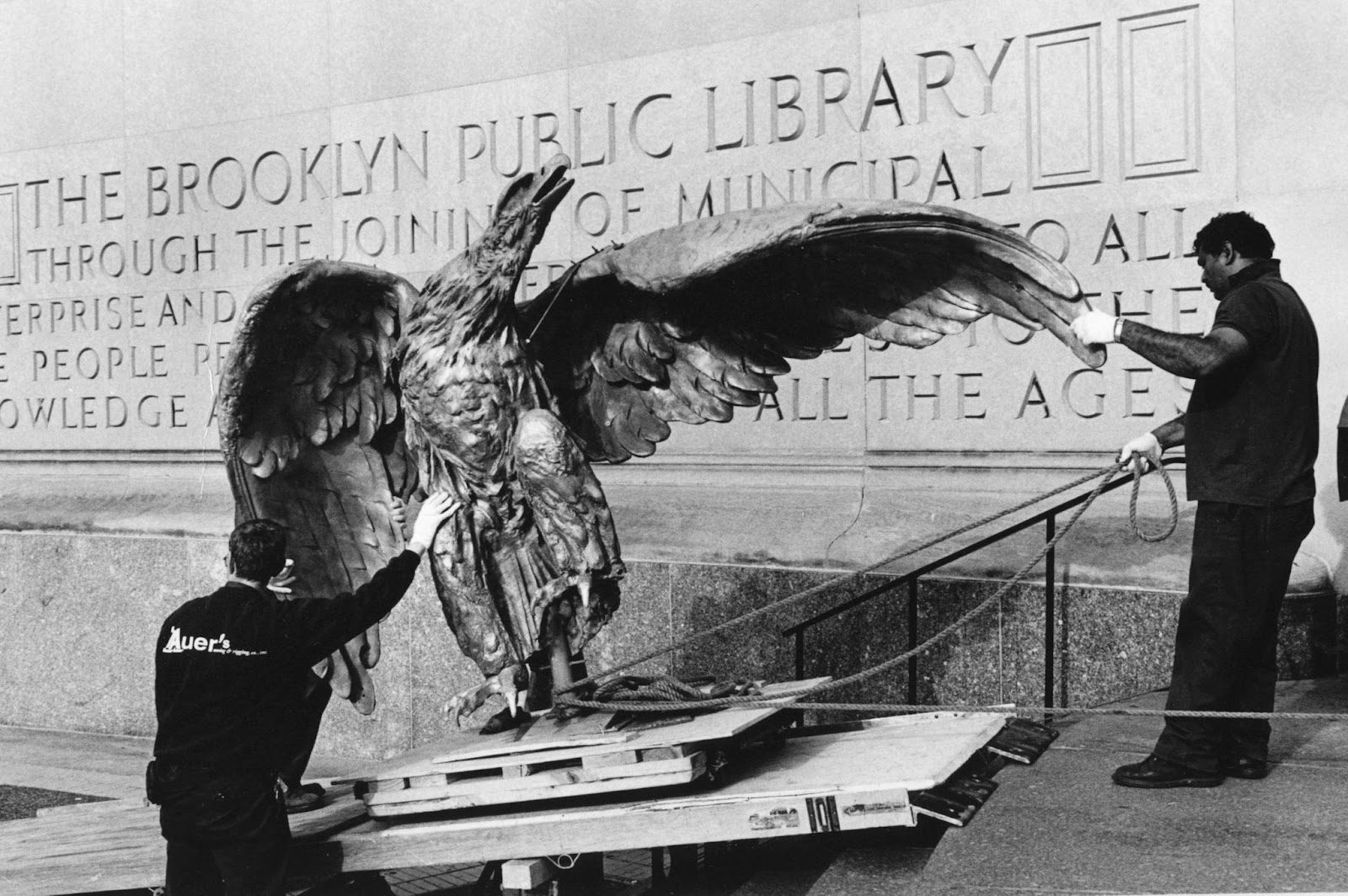
The Brooklyn Eagle and Kings County Democrat was a Brooklyn’s daily newspaper for 114 years. Once, it was the afternoon newspaper with the largest edition in the US. Walt Whitman, a nineteenth-century poet, was its editor for two years. Other prominent editors of the Eagle included Democratic Party politician Thomas Kinsella, prominent folklorist Charles Skinner, St. Clair McKelway, editor-in-chief from 1894 to 1915, Arthur M. Howe, distinguished Canadian-American who served as editor-in-chief from 1915 to 1931 and Cleveland Rogers who was editor-in-chief from 1931 to 1938. The latter also was an important member of the New York City Planning Commission until 1951.
The paper added ‘daily’ to its name on June 1, 1846. On May 14, 1849, the name was shortened to The Brooklyn Daily Eagle. On September 5, 1938, the name was further shortened to The Brooklyn Eagle. The previous name continued to be printed below the top of the editorial page until the end of its run in 1955. The newspaper ceased publication in 1955 due to a long strike. Between 1960 and 1963, there were attempts to revive the newspaper. Moreover, this revival took place, but for a short time.
Voice of the Democrats
In 1996, a new version was published, as a revival of the traditions of the old newspaper. It had no business connection with the original one, the new paper published a daily historical or nostalgic publication called On This Day in History, consisting of material from the pages of the old original newspaper.
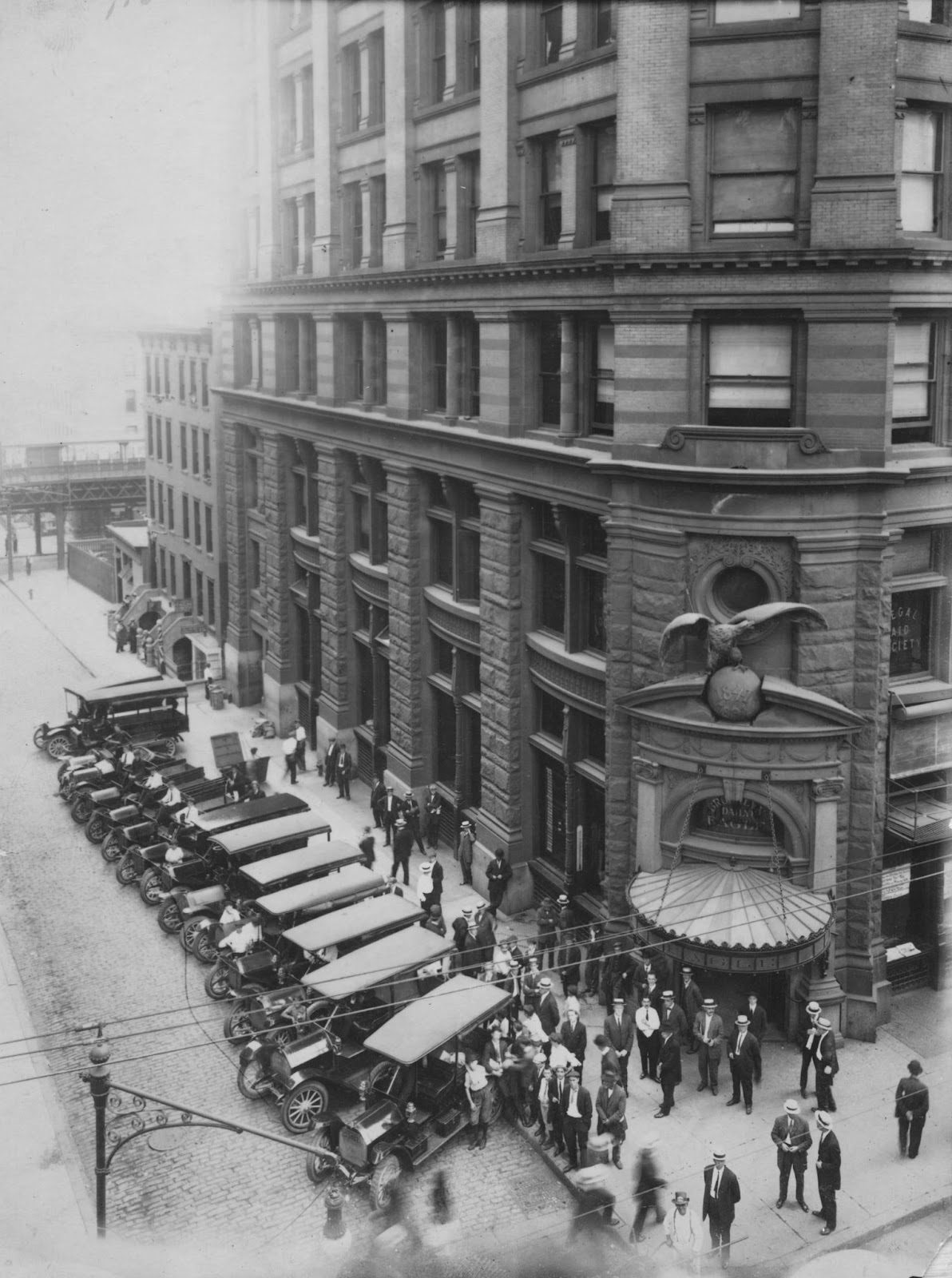
As for the original project, it was launched on October 26, 1841. Its address was 28 Old Fulton Street, Brooklyn. An interesting fact: a few days after the launch, they suspended publication for a whole month due to a fire in the printing house.
The paper was democratic with a mix of news. During the American Civil War, it supported the Democratic Party. The newspaper played an important role in shaping Brooklyn’s civic identity. The independent city became the third-largest in the US. Due to problems with the water supply, water could only be taken from New York. In 1898, the city became its borough. Interestingly, the editors of The Eagle tried to prevent and stop this process, arguing that Brooklyn would turn from a big city into a small suburb.
In August 1938, M. Preston Goodfellow sold the paper to Frank D. Schroth. In addition to removing the word ‘daily’ from the paper’s front page, Schroth raised the paper’s profile and increased its readership with a more active local coverage focused on Brooklyn, unlike other rival dailies of the time in Manhattan, such as The New York Times, The New York Herald-Tribune, The New York Journal-American, The New York Daily News, The New York Post, The New York World-Telegram & Sun, The New York Daily Mirror, etc.
Pulitzer Prize and closing
In 1951, the paper won a Pulitzer Prize for public service, specifically for crime reporting during the year. In an eight-part series, investigative journalist Ed Reid exposed the activities of bookie Harry Gross and corrupt officers of the New York Police Department. The revelation led to an investigation by the Brooklyn District Attorney and to the resignation of New York City Mayor William O’Dwyer.
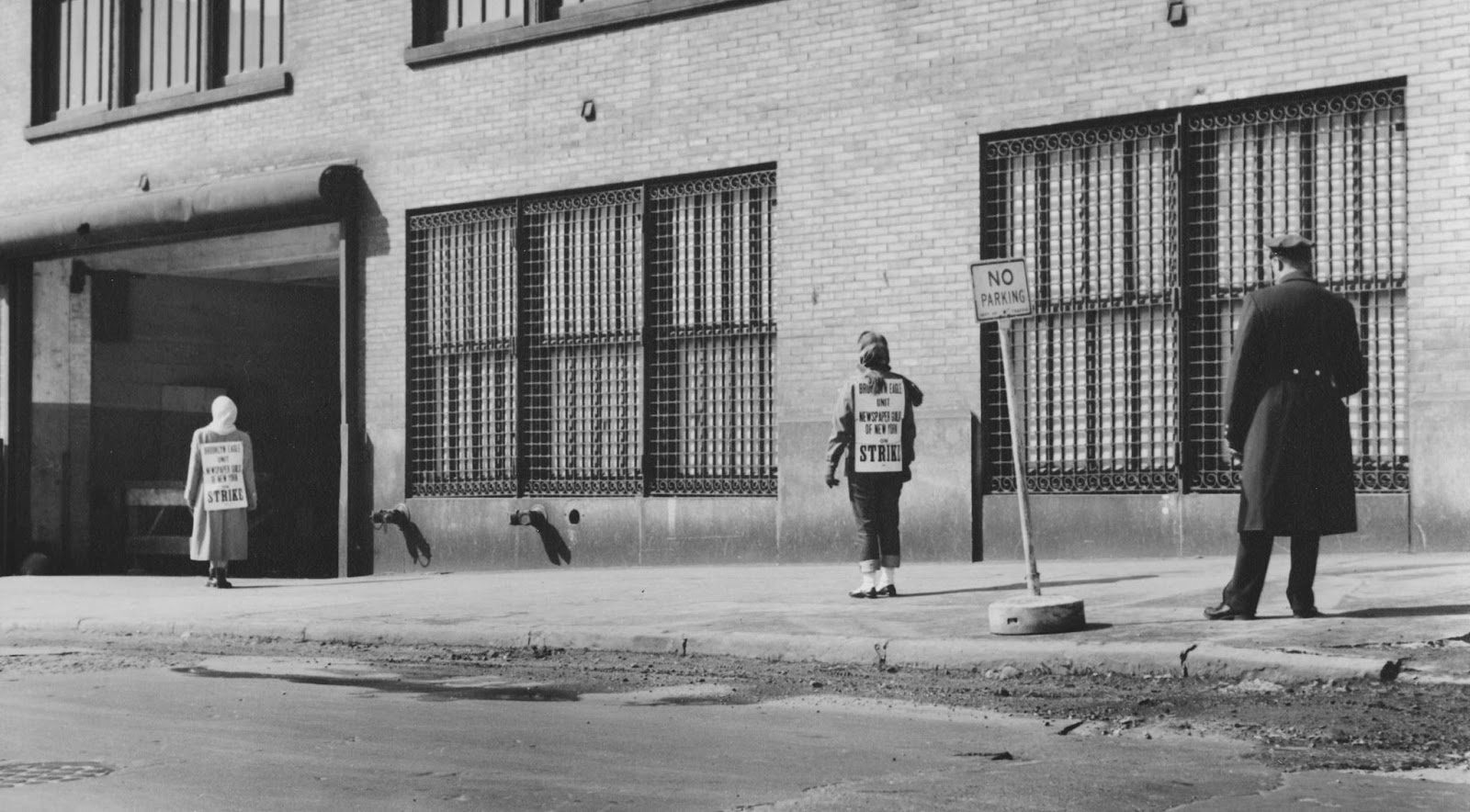
Due to lingering economic pressures caused by a strike by the local Newspaper Guild, as well as an attempt to sell the Eagle, the paper published its last issue on January 28, 1955 and closed. Thomas N. Schroth, the publisher’s son, who served as editor-in-chief of the paper during its last three years, became editor of the Congressional Quarterly and founded the National Journal in Washington, DC.
The Eagle wasn’t a great newspaper, but it had a great function. It helped bring together an extremely disparate community. Without it, Brooklyn turned into a huge network of hamlets, the boundaries of which were clearly defined. However, the connections between them were uncertain or even hostile. None of the other newspapers covered local life until events reached a crisis stage.