

In 1794, a small village appeared, which in the future became one of the boroughs of New York named Brooklyn. In the beginning, there were 100 rural houses surrounded by swampy streets. This is what Brooklyn was like in the 18th century. What did Brooklynites do and what did others know about them? Read more on brooklyn1.
Trade and farming
The first settlers of Brooklyn were the Dutch. Having moved to a new place, they continued to do their favorite business, farming. They immediately built mills for processing products. This was the first type of activity in Brooklyn.
Neighboring Long Island was famous for its plowed fields and did the same. The finished product had to be sold somewhere. Here, Brooklynites came to the rescue. The dirty streets were lined with stalls and tables. Everyone who needed fresh produce came to the village of Brooklyn.
As the city grew, the occupations of Brooklynites changed. The location near the river pushed them to work on the water. They moved on boats on the East River. Speculators rushed to buy land along the river. It became convenient to sell goods on the water. This served as a new impetus to the development of trade. Brooklyn merchants were thriving.
In 1801, a military shipyard was opened in Wallabout Bay. Irish emigrants who lived on the outskirts of Fort Greene worked mainly at the shipyard. At that time, it was called Vinegar Hill.
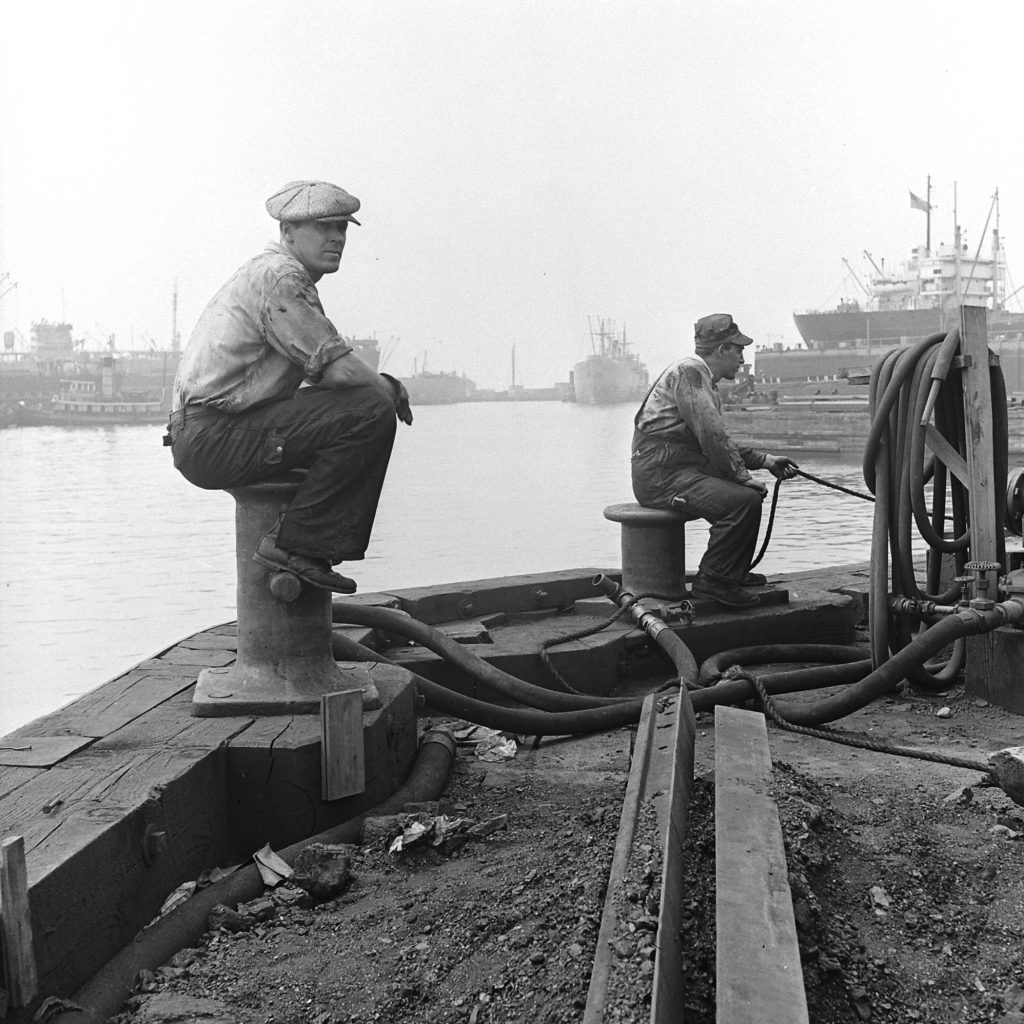
By the middle of the 19th century, the city faced a huge industrial boom. Factories and plants were opened everywhere. This fate did not pass Brooklyn. Brooklynites turned from pig herders and merchants into factory workers. People flocked to the banks of the East River from all the coastal towns. Its sandy shores were shrouded in steam and smoke from the pipes of factories and plants. Brooklyn began to change. Lighting and schools appeared. By 1845, the population of Brooklyn reached 80 thousand. The industrial potential of the city made it famous far beyond America.
In the 1960s, a wave of European immigrants rushed to Brooklyn. It became the third-largest city in America. Almost a hundred thousand foreigners were Irish, who brought with them a familiar way of life.
Industrial glory
By the end of the 19th century, Brooklyn was home to a million people. Most of them worked in New York. Many of them traveled to work on ferries. Brooklynites were happy to offer water transportation. The old rowing boats were replaced by ferries that were modern for that time. The Brooklyn ferrymen lived well until New York decided to build the famous Brooklyn Bridge.
The bridge benefited Brooklyn a lot. However, the ferries began to recede into the past, but they still did not become completely forgotten. Passenger traffic began to be carried out over the new bridges and industrial traffic continued to ply the East River.
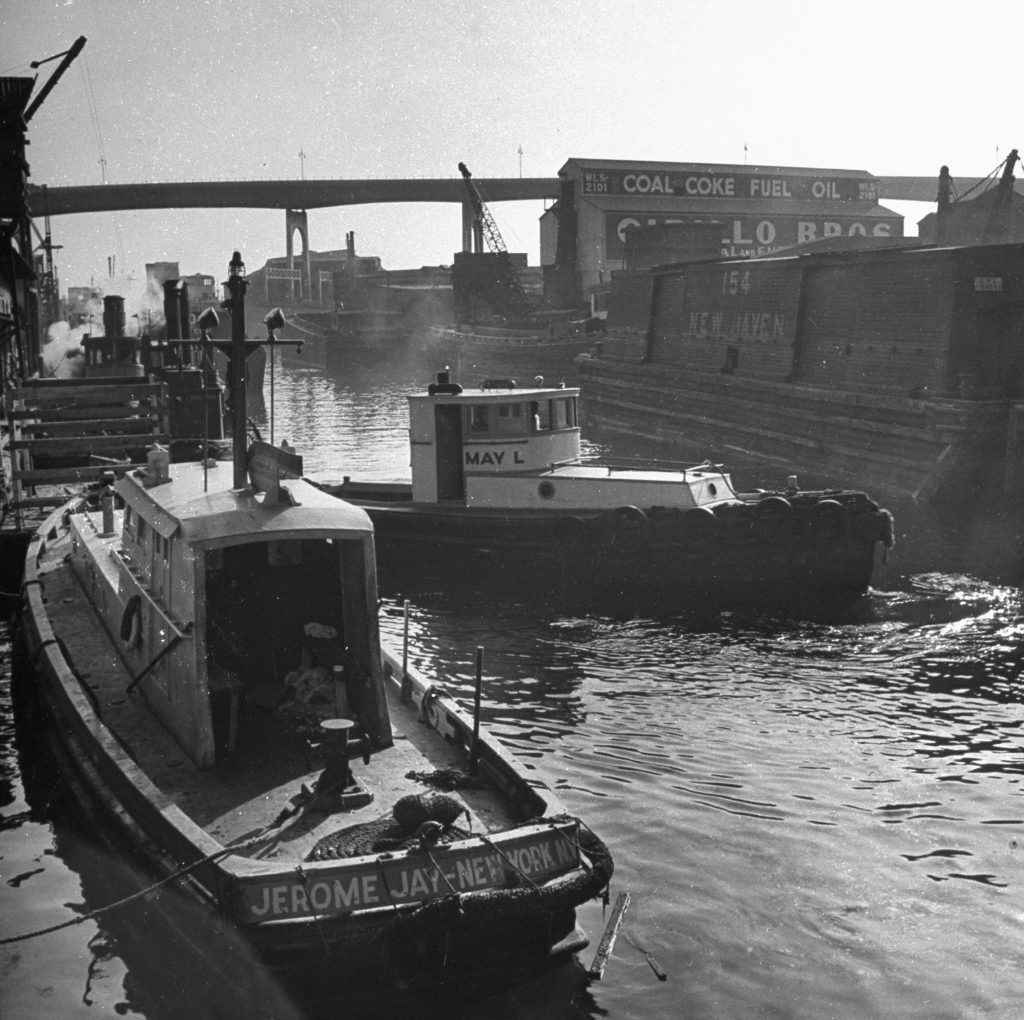
For many years, Brooklyn had a reputation as a workhorse. A large number of plants and factories were located here. Brooklyn produced everything from sugar to textiles.
Starting in the 1880s, everyone knew Brooklyn as the borough’s main industrial area. The Brooklyn ports handled an enormous amount of tonnage. Everything was made in the town: cigarettes, wires, beer, coffee and other things. One of the main industries was a sugar factory. Brooklyn was the main sugar mill in America. In addition to the food industry, metallurgy was developed in Brooklyn. The famous armored battleship Monitor was built at the Continental Iron Works in Greenpoint.
By the mid-1950s, the industrial area of Brooklyn began to decline. This was because Brooklyn became more expensive. It became expensive to conduct production here and companies moved to cheaper areas.
The history of Brooklyn began with a farming life and it moved into the industrial sphere at its peak.